By StripeFit Editorial TeamFirst published Updated
Creatine for runners who lift is a different question than creatine for bodybuilders. The runner usually wants strength support, gym consistency, and recovery from lifting without making running feel worse. Creatine monohydrate is the simplest place to start, but timing, expectations, stomach comfort, and water-weight response matter.
The biggest mistake is turning creatine into a race-week experiment. If you want to use it, treat it as part of a normal strength-training block, not as a last-minute performance hack. Runners who lift two to four days per week have the clearest use case, especially if they want strength progress while keeping mileage steady.
Disclosure: This guide contains affiliate links. If you buy through qualifying links, StripeFit may earn a commission at no extra cost to you.
Health note: This is general education, not medical advice. Talk with a qualified clinician before using supplements if you have a medical condition, take medication, are pregnant, manage blood pressure, have kidney or heart concerns, or suspect a deficiency.
Quick Answer
Start with plain creatine monohydrate from a transparent label. Avoid complicated blends unless you understand every ingredient. Test it during normal training, not before a race. Pay attention to stomach comfort, body-weight changes, and whether it fits your hydration and strength routine.
| Runner Need | Start With | Why It Fits |
|---|---|---|
| Simple first choice | Creatine monohydrate | The cleanest starting point for most runners who lift. |
| Travel convenience | Creatine capsules | Useful if powder is messy, but serving count can be higher. |
| Blend caution | Sports nutrition creatine | Check whether extra ingredients are necessary. |
| Race week | Do not experiment | Keep race week boring if you have not tested it. |
Current Price And Product Checks
Use these searches to confirm current inventory, size, color, seller, label, and return policy before buying. StripeFit may earn from qualifying purchases.
Amazon listings change often. Search links are used when a product category has multiple valid current options.
Product Starting Points
Use these product searches to compare monohydrate, label transparency, third-party testing, serving size, and cost. Direct supplement offers remain in review before becoming primary CTAs.
How To Choose
Choose plain monohydrate unless there is a specific reason not to. Many runners do not need pre-workout blends, stimulant blends, or multi-ingredient products to test creatine. Simpler labels make it easier to know what changed.
Choose timing by habit, not magic. Creatine works best as a consistent routine. Some runners mix it with a post-lift shake, some with breakfast, and some with another daily drink. The best timing is the timing you repeat.
What To Check Before Buying
Check serving size, scoop accuracy, whether the product is monohydrate, whether testing is mentioned, and whether the label includes caffeine, sugar alcohols, or other ingredients you did not intend to buy.
Check how your running feels. Some runners notice water-weight changes. That does not make creatine bad, but it may affect how you feel during workouts or races. Test before important blocks.
Common Mistakes
Do not load aggressively right before a race. Race week is for familiar food, familiar shoes, familiar hydration, and familiar routines.
Do not assume creatine replaces strength programming. The training plan, sleep, food, and consistency still do the real work.
Training Use Case
Use creatine during a strength block where the goal is consistent lifting. Keep running intensity stable at first so you can tell whether the supplement changes stomach comfort or perceived effort.
If you run long in heat, keep your hydration routine steady while testing creatine. Do not combine a new creatine routine with new electrolytes, new caffeine, and new long-run fuel at the same time.
Best Buying Path
Buy plain monohydrate first, use a normal serving, and track how you feel for several weeks. Compare capsules only if powder is inconvenient. Avoid flashy blends unless they solve a real problem.
Internal Next Steps
Read creatine for runners guide, compare protein powder after running, and use running supplements for the parent hub.
FAQ
Should runners take creatine?
Some runners who lift may find it useful, but it is not required. It should fit the training routine and medical context.
Can creatine make running feel heavier?
Some people notice body-weight or water-weight changes. Test it during normal training before using it near important races.
What creatine should runners compare first?
Plain creatine monohydrate with a transparent label is the simplest first comparison.
Current Creatine Products To Compare
For runners who lift, start with plain creatine monohydrate and compare dose, serving cost, mixability, testing signals, and stomach tolerance.
Health note: These are product-comparison starting points, not medical recommendations. Check serving size, caffeine, sodium, allergens, third-party testing, seller quality, expiration date, and return policy before buying. Ask a qualified clinician first if you have a medical condition, take medication, are pregnant, manage blood pressure, have kidney or heart concerns, or have food allergies.
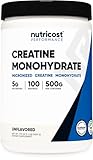
Nutricost Creatine Monohydrate
Plain creatine monohydrate lane for runners who lift and want a simple dose to evaluate.
Optimum Nutrition Micronized Creatine
A widely available creatine comparison when label clarity and serving cost matter.
BulkSupplements Creatine
Bulk powder option for comparing cost per serving against smaller tubs and capsules.
StripeFit may earn a commission from qualifying Amazon purchases. Test supplements, fuel, protein, caffeine, and electrolytes during normal training before relying on them for race day.
Runner strength-training supplement check
Does Creatine Make Sense For Runners Who Lift?
Best first move: consider creatine only if strength training is a real part of the routine, not because it is trending.
Creatine is more relevant for runners who lift consistently than for runners hoping a powder will replace training. The buying decision should focus on simple labels, realistic expectations, and whether it fits your recovery and hydration habits.
Health boundary: This guide is general education, not medical advice. Supplements can interact with medication, medical conditions, pregnancy, blood pressure, kidney concerns, heart concerns, sleep, anxiety, and digestion. When in doubt, ask a qualified clinician before changing your routine.
How To Decide If Creatine Fits Your Training
Creatine is most relevant when you are doing progressive strength work, hill power, sprint work, or gym sessions alongside running. If you are not lifting or doing power-focused training, the value case is weaker.
Expect the benefit to be subtle and training-dependent. Creatine is not a marathon fuel, not a stimulant, and not a shortcut around consistent strength work.
Some runners notice scale weight changes from water retention. That is not automatically bad, but it matters if you are sensitive to weight fluctuations or racing soon.
What To Check On The Label
- Creatine type: Plain creatine monohydrate is the baseline comparison before paying for complicated blends.
- Serving size: Check grams per serving and how many real servings are in the container.
- Flavor and additives: Unflavored products are easier to mix into existing routines, while flavored blends can add sweeteners or extras.
- Testing: Athletes should prefer transparent labels and third-party testing when available.
When To Skip Creatine Or Ask First
Ask a qualified clinician first if you have kidney concerns, take medication, are pregnant, or have been told to manage supplement intake carefully.
Skip creatine if you are buying it to compensate for poor sleep, low calories, inconsistent lifting, or a recovery plan that is not working.
Next Internal Nutrition Reads
Best creatine for runners, Creatine for runners guide, Supplements for new runners. These keep the reader inside the running nutrition cluster before they leave for a product page.
Use these links to compare current options and avoid overpaying.Before you buy: quick price + alternatives check
Get weekly gear picks that actually matter
One email a week. Best shoes, watches, and deals. No fluff.
By subscribing, you agree to receive emails from StripeFit. Unsubscribe anytime.Supplement decisions to compare next
Keep the claims conservative and compare serving size, ingredients, testing, price per serving, and whether the product fits your training.