By StripeFit Editorial TeamFirst published Updated
Affiliate note. StripeFit may earn a commission from some links. This never affects what we recommend.
Many runners associate creatine strictly with heavy bodybuilding, but it has gained attention among endurance athletes and sprinters alike. It is a naturally occurring compound that helps regenerate adenosine triphosphate (ATP), the primary energy source for short, intense bursts of muscular effort. While distance runners rely heavily on aerobic pathways, creatine may support those final kicks, hill climbs, and interval sessions.
The timing debate often pits pre-workout advocates against post-workout traditionalists. Pre-workout supporters argue that having creatine circulating in the bloodstream during exercise is beneficial, while post-workout advocates point to increased blood flow and insulin sensitivity after exercise, which may enhance nutrient uptake. We will explore the science behind these timing strategies and help you decide which routine fits your training schedule.
Since we have not conducted direct, clinical hands-on testing of these supplements in a laboratory setting, this is a comprehensive buyer-research guide. Our analysis is based on current market availability, runner fit intent, and published product data. Before starting any new supplement regimen, it is highly recommended to discuss your plans with a qualified healthcare provider or sports dietitian.
Featured current options
When looking at the market, two highly popular options are Nutricost Creatine Monohydrate Micronized Powder and Optimum Nutrition Micronized Creatine Monohydrate Powder. Both products feature micronized creatine monohydrate, which means the particles are ground finer for better solubility in water or juice. Nutricost is known for offering high-quality, budget-friendly options in various sizes, making it a straightforward, unflavored powder that mixes easily. Optimum Nutrition is a highly reputable brand in sports nutrition, widely recognized for its strict quality control and third-party testing standards. Both options are worth comparing if you want a clean, single-ingredient formula to support your daily routine, whether you choose to mix it into a post-run recovery smoothie or a morning glass of water.
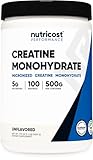
Nutricost Creatine Monohydrate Micronized Powder
Current product checkpoint for Should Runners Take Creatine Before or After Running. Confirm your size, width, color, seller, and return policy before buying.
Optimum Nutrition Micronized Creatine Monohydrate Powder
Current product checkpoint for Should Runners Take Creatine Before or After Running. Confirm your size, width, color, seller, and return policy before buying.
Who this guide is for
Runners incorporating regular strength training or hill intervals into their weekly schedule.
Athletes looking for a simple, single-ingredient supplement to support short-duration power output.
Endurance runners seeking to maintain muscle mass during high-volume training blocks.
Who should skip it
You are currently experiencing kidney issues or taking medications that affect renal function, as creatine can impact lab tests for kidney health.
You are pregnant, nursing, or have an underlying medical condition without first consulting a clinician.
You are highly sensitive to minor, temporary water weight fluctuations, which can sometimes occur during the initial loading phase.
Current product snapshot
| Product | Best fit | Current price | Next step |
|---|---|---|---|
| Nutricost Creatine Monohydrate Micronized Powder | Best Overall Micronized Creatine | $21.50 | View on Amazon |
| Optimum Nutrition Micronized Creatine Monohydrate Powder | Best Overall Micronized Creatine | Check current price | View on Amazon |
How to choose without wasting money
Look for Micronized Powder: Micronized creatine monohydrate has smaller particle sizes, which helps it dissolve completely in liquids and may reduce potential stomach discomfort.
Prioritize Third-Party Testing: Because dietary supplements are not strictly regulated, look for certifications from independent organizations like NSF Certified for Sport or Informed-Choice to ensure the product is free of banned substances.
Evaluate Ingredient Purity: Choose products that contain 100 percent pure creatine monohydrate without unnecessary fillers, artificial sweeteners, or added stimulants.
Consider Daily Convenience: Decide whether an unflavored powder that can be mixed into any beverage fits your lifestyle better than flavored options or capsules.
Common buying mistakes
- Inconsistency: Creatine works by gradually saturating your muscle stores over several weeks, so taking it sporadically will not yield the desired support.
- Overdosing During the Loading Phase: While some athletes choose to load with twenty grams per day for a week, a steady daily dose of three to five grams is often gentler on the stomach and achieves the same saturation over time.
- Inadequate Hydration: Creatine draws water into your muscle cells, meaning you must increase your daily fluid intake to avoid dehydration or cramping during long runs.
- Confusing Creatine with Pre-Workout Stimulants: Creatine does not contain caffeine or immediate energy boosters, so taking it right before a run will not provide an instant physical surge.
What to check before you buy
Be prepared for a slight, temporary increase in body weight, which is typically just cellular water retention in the muscles and not fat gain.
Keep in mind that creatine can temporarily elevate creatinine levels in routine blood tests, so inform your doctor about your supplement use before any lab work.
Mix the unflavored powder into a carbohydrate-rich beverage, like fruit juice or a recovery shake, as insulin can help transport the creatine into your muscle cells more efficiently.
Store your tub in a cool, dry place and ensure the scoop is completely dry before placing it back inside to prevent clumping.
Related StripeFit next step
If you want to dive deeper into how this supplement fits into an overall endurance training plan, you can read our comprehensive guide on creatine for runners.
FAQ
Does creatine cause cramping or dehydration in runners?
While some runners worry about cramping, research suggests that when consumed with adequate fluids, creatine does not increase the risk of dehydration or muscle cramps. It actually helps draw water into muscle cells, which may support overall hydration status during exercise. However, it is essential to drink plenty of water throughout the day.
Can I mix creatine with my morning coffee?
Yes, you can mix creatine into warm liquids like coffee, as it dissolves quite well. Some studies suggest that high doses of caffeine taken simultaneously with creatine might slightly reduce its effectiveness, but a standard cup of coffee is generally considered fine for most runners.
How long does it take for creatine to start working?
It typically takes about two to four weeks of consistent daily use (three to five grams per day) to fully saturate your muscle creatine stores. You may not notice any subtle changes in your short-duration power or recovery support until this saturation point is reached.
Is a loading phase necessary for runners?
A loading phase of twenty grams per day for five to seven days is not strictly necessary. While it saturates your muscles faster, taking a consistent daily dose of three to five grams will achieve the exact same level of muscle saturation within three to four weeks, often with a lower risk of mild digestive upset.
Last updated June 1, 2026.
Get weekly gear picks that actually matter
One email a week. Best shoes, watches, and deals. No fluff.
By subscribing, you agree to receive emails from StripeFit. Unsubscribe anytime.Supplement decisions to compare next
Keep the claims conservative and compare serving size, ingredients, testing, price per serving, and whether the product fits your training.