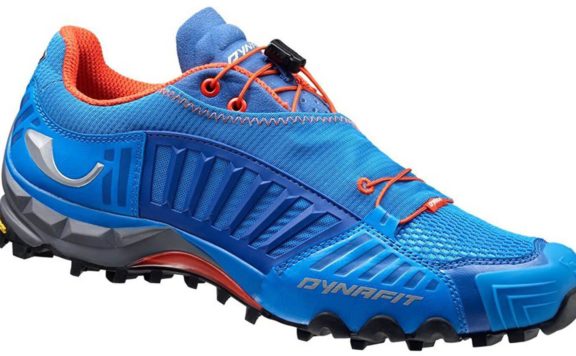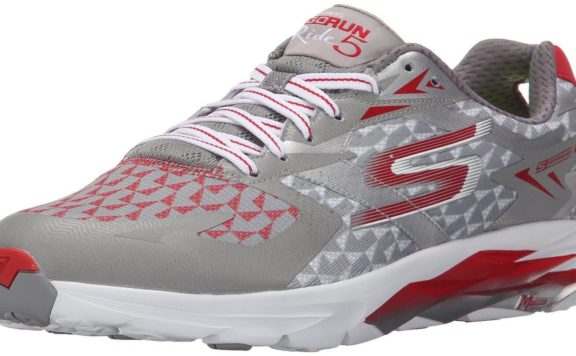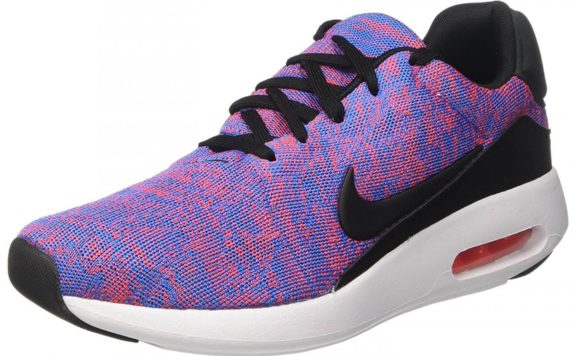
The best trail running shoes for beginners should make uneven ground feel more predictable without making the shoe feel heavy or awkward. Beginners usually do not need an extreme mountain shoe for a park path, gravel road, or easy dirt trail. They need better grip than a road shoe, enough protection from small rocks and roots, and a fit that stays secure on turns and descents.
Evidence used for this update
Evidence We Used
- The current beginner trail buyer still needs a simple first choice, so the page stays centered on grip, terrain, protection, fit, and cushioning instead of chasing race-day features.
- Current model and availability checks keep the guide tied to shoes readers can actually buy now, including the trail models already linked from FujiAttack and Kahana support paths.
- The broader beginner running shoes route still matters here, because many readers are deciding whether they need a trail-specific shoe at all or a simpler road-first start.
- Hiking crossover use changes the answer fast, so the page has to weigh outsole bite, underfoot protection, and comfort on mixed dirt, path, and light hiking routes.
- Training use and practical buying limits still matter, especially price, return policy, and whether the shoe feels stable enough for repeat runs instead of one-off outings.
Trail shoes differ from road shoes because the ground changes under you. The outsole matters more. The upper needs to hold the foot more securely. The midsole may feel firmer because protection and control matter as much as softness. A beginner trail shoe should help you relax on dirt without punishing you on the paved sections that often connect the route.
Disclosure: This page contains affiliate links. If you buy through qualifying links, StripeFit may earn a commission at no extra cost to you.
Quick Answer
Start with a moderate trail shoe such as New Balance 410, Saucony Excursion, or New Balance TEKTREL if you run beginner trails, gravel, park paths, and light dirt. Choose deeper lugs only if your routes are muddy, steep, loose, or technical. If most of your miles are still on pavement, choose a road-to-trail shoe instead of an aggressive trail model.
| Trail Need | Start With | Why It Fits |
|---|---|---|
| Beginner light trails | New Balance 410 V9 Trail | A straightforward trail option for mixed surfaces and easy dirt. |
| Affordable trail grip | Saucony Excursion TR16 | Useful for runners comparing basic grip and protection. |
| Modern soft trail feel | New Balance TEKTREL | A current New Balance trail option with a softer ride lane. |
| Mostly road with some dirt | Road-to-trail shoe | Better when pavement still makes up much of the route. |
| Mud and wet grass | Deeper-lug trail shoe | More bite matters when the surface gets slick. |
Audited Product Starting Points
These exact Amazon products came from the current product feed and passed the StripeFit relevance audit for this trail-running cluster. Confirm size, fit, tread, color, battery, capacity, price, and return policy before buying.
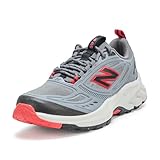
New Balance 410 V9 Trail
A current beginner-friendly trail shoe candidate for light trails, mixed surfaces, and runners moving beyond road shoes.

Saucony Excursion TR16
A straightforward trail shoe lane for runners comparing affordable grip, protection, and everyday trail use.

New Balance DynaSoft TEKTREL V1
A current trail option to compare when you want a softer New Balance trail ride and modern beginner styling.
How To Choose
Choose trail shoes by surface first. Smooth dirt paths, crushed gravel, and park loops do not require the same shoe as muddy singletrack. If you overbuy for technical terrain, the shoe can feel stiff and clunky on easy routes. If you underbuy for mud, you may slide around and lose confidence.
Fit should feel more secure than a road shoe, but not cramped. Trail running includes turns, side slopes, short climbs, descents, and awkward foot placements. The heel should stay locked. The midfoot should feel held. The toes still need room because downhill running can push the foot forward.
Fit And Trail Checks
Try trail shoes with the socks you will wear outside. Walk downhill if you can. Jog around a corner. Check whether the toes hit the front and whether the heel lifts. Look at the outsole lug depth and spacing. Tighter lugs can feel smoother on mixed surfaces, while deeper spaced lugs tend to help more in loose or muddy terrain.
Common Mistakes
The first mistake is buying the most aggressive trail shoe for beginner paths. Big lugs and stiff protection may feel exciting online, but they can be uncomfortable on road sections and unnecessary on groomed dirt.
The second mistake is using old road shoes as trail shoes after the outsole is worn. Road shoes can work on mild paths, but worn foam and smooth rubber reduce control. If trails are becoming part of your routine, use shoes with tread designed for dirt.
How This Fits Training
Start with short familiar trails. Trail running uses stabilizing muscles differently, and pace will usually be slower than road pace. Do not judge progress by comparing dirt miles to road miles. Judge by comfort, control, and how fresh you feel afterward.
For beginners, a trail shoe is one part of the kit. Socks, hydration, anti-chafe product, and visibility matter as routes get longer or darker. Keep the setup simple until the route demands more.
Before You Buy
Use the product cards as starting points, then confirm the details that matter for your route. Trail gear depends heavily on surface, weather, body fit, and how much you carry. Check the current listing, read recent buyer notes, compare sizes, and make sure the return policy gives you room to test the item indoors before committing it to a long trail run.
Best Buying Path
Start with New Balance 410 or Saucony Excursion for practical beginner trail use. Compare New Balance TEKTREL if you want a softer modern trail feel. Move to more aggressive trail shoes only when the surface demands it.
Internal Next Steps
Read road running shoes vs trail running shoes if you are unsure whether you need trail shoes. For long trail routes, compare best hydration vests for trail running. For blister prevention, read best trail running socks to prevent blisters.
FAQ
Do beginners need trail running shoes?
Not for smooth park paths, but trail shoes help when dirt, rocks, roots, mud, or descents make road shoes feel unstable.
Can trail running shoes be used on roads?
Some can handle short road sections, especially road-to-trail models. Aggressive trail shoes can feel loud, stiff, or inefficient on pavement.
Should trail shoes fit tighter than road shoes?
They should feel more secure through the heel and midfoot, but toes still need room. Downhill running can push the foot forward.
Beginner trail shoe decision
What Should A First Trail Shoe Do?
Best first move: start with stable grip and comfortable fit before chasing aggressive mountain-shoe features.
A first trail shoe should help you feel secure on dirt and uneven ground without feeling too stiff, narrow, or overbuilt for your actual routes.
How To Choose A Beginner Trail Shoe
Match the shoe to your trail. Smooth dirt and gravel do not require the same outsole as mud, rocks, or steep technical descents.
Beginners should prioritize a secure heel, enough toe room for descents, and outsole confidence. A shoe that feels exciting online is not useful if it rubs or feels unstable on the first long trail day.
What To Compare Before Buying
- Grip: Look for lugs that match the surface you actually run.
- Toe room: Downhills push the foot forward, so fit cannot be too tight.
- Return policy: Trail fit needs real testing indoors before committing.
When To Skip Trail Shoes
Skip trail shoes if you mostly run pavement. Lugs and protective uppers can feel less smooth on roads and may wear faster.
Next Internal Trail Checks
Road running shoes vs trail running shoes, Best trail running socks to prevent blisters, Best hydration vests for trail running. These links keep the buying path moving before readers leave for Amazon.
Before you buy: quick price + alternatives check
Use these links to compare current options and avoid overpaying.
StripeFit may earn a commission from some links. This never affects what we recommend.
Get weekly gear picks that actually matter
One email a week. Best shoes, watches, and deals. No fluff.
By subscribing, you agree to receive emails from StripeFit. Unsubscribe anytime.Trail gear decisions to compare next
Use these current guides for trail runs, darker starts, and gear that needs to fit securely in motion.