By StripeFit Editorial TeamFirst published Updated
Buyer evidence
Evidence We Used
- Road and trail categories are compared by primary surface, outsole shape, underfoot protection, cushion, fit, and intended route.
- Saucony currently lists the Excursion TR17, and New Balance lists the Tektrel as trail-oriented starting points.
- Older Excursion TR16 and DynaSoft trail-shoe cards are previous-generation listing checks; verify the exact model, selected variant, seller, availability, and return terms.
- A road-to-trail compromise can make sense for mixed routes, but it is not presented as the best option for every surface.
- Use the category decision first, then compare individual products only within the path that matches the route.
Road running shoes vs trail running shoes is a practical decision, not a lifestyle label. Road shoes are built for pavement, sidewalks, tracks, treadmills, and predictable surfaces. Trail shoes are built for dirt, gravel, rocks, roots, wet grass, and uneven footing. Beginners should buy based on where they actually run, not where they hope to run someday.
The wrong shoe can make a route feel harder than it needs to be. Road shoes can slide on loose dirt or mud because the outsole is smoother. Trail shoes can feel stiff or loud on pavement because the lugs are deeper and the ride is more protective. If your route mixes both, you may need a road-to-trail compromise rather than a pure road or aggressive trail shoe.
Disclosure: This page contains affiliate links. If you buy through qualifying links, StripeFit may earn a commission at no extra cost to you.
Quick Answer
Use road shoes if most of your runs are on pavement, treadmill, track, or smooth sidewalks. Use trail shoes if dirt, gravel, roots, rocks, mud, or descents are a regular part of the route. Use road-to-trail shoes if you run from your door to a park path or mix pavement and dirt in the same run. If you are unsure, start with a moderate trail shoe instead of an extreme lugged model.
| Trail Need | Start With | Why It Fits |
|---|---|---|
| Mostly pavement | Road running shoe | Smoother, lighter, and usually more comfortable on hard predictable surfaces. |
| Beginner dirt and gravel | New Balance 410 V9 Trail | A practical first trail lane for easy dirt, gravel, and mixed routes. |
| Budget trail grip | Saucony Excursion TR16 (previous generation) | Useful when you want simple trail traction without overbuying. |
| Mixed road-to-trail route | Moderate trail shoe | Works when pavement connects to dirt and the route is not highly technical. |
| Mud, roots, or loose descents | Deeper-lug trail shoe | More outsole bite and protection matter when footing gets unpredictable. |
Product Listings To Verify
Use these product cards as comparison starting points. Confirm the exact item, size or capacity, fit, color, seller, current price, availability, and return policy on the destination listing before buying.
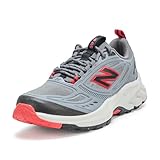
New Balance 410 V9 Trail
A current beginner-friendly trail shoe candidate for light trails, mixed surfaces, and runners moving beyond road shoes.

Saucony Excursion TR16 (previous generation)
A straightforward trail shoe lane for runners comparing affordable grip, protection, and everyday trail use.

New Balance DynaSoft TEKTREL V1 (previous generation)
A current trail option to compare when you want a softer New Balance trail ride and modern beginner styling.
How To Choose
Choose by the surface that creates the most risk. If ninety percent of the run is pavement and ten percent is a smooth park path, a road shoe may still be fine. If the trail section includes loose gravel, wet leaves, rocks, roots, or downhill turns, a trail outsole becomes more useful even if the total distance is shorter.
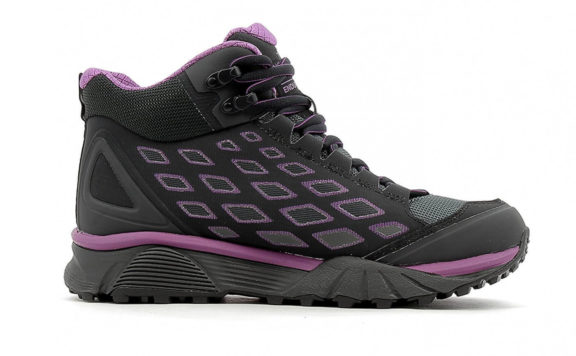
Outsole design is the biggest visible difference. Road shoes usually have flatter rubber and exposed foam for smoother transitions. Trail shoes use lugs to bite into dirt and protect the outsole from rough surfaces. More lug is not always better. Deep lugs can feel awkward on pavement, while shallow lugs may not grip wet dirt well.
Fit And Trail Checks
Trail shoes should hold the foot securely because side-to-side movement matters more. Check heel hold, midfoot lockdown, toe room on descents, and whether the upper feels protective enough for brush or debris. Road shoes can prioritize smoothness and cushion because the surface is predictable.
Common Mistakes
The first mistake is using worn-out road shoes as trail shoes. Old road shoes may look rugged enough, but the rubber and foam are already tired. That reduces grip and control right when the surface becomes less predictable.
The second mistake is buying an aggressive technical trail shoe for flat park paths. If the route is mild, a moderate trail shoe or road-to-trail shoe will often feel better and still provide enough traction.
How This Fits Training
If you are adding trails to a road routine, slow down and let effort guide you. Trail pace is usually slower because the terrain changes. A shoe with more grip can help confidence, but it does not remove the need to adjust stride and attention.
If you run from home to a trail, pay attention to how much pavement is involved. A shoe that is excellent in mud might feel unpleasant over two paved miles. A moderate trail shoe is often the better first compromise.
Before You Buy
Use the product cards as starting points, then confirm the details that matter for your route. Trail gear depends heavily on surface, weather, body fit, and how much you carry. Check the current listing, read recent buyer notes, compare sizes, and make sure the return policy gives you room to test the item indoors before committing it to a long trail run.
Best Buying Path
Start with road shoes for pavement, New Balance 410 or Saucony Excursion for easy beginner trails, and a more specific trail model only when terrain demands it. If route conditions change by season, you may eventually keep one road pair and one trail pair.
Related Guides
For beginner trail picks, read best trail running shoes for beginners. If you need water and storage, read best hydration vests for trail running. If you are just starting, use best running shoes for beginners as the main hub.
FAQ
Can you use road running shoes on trails?
Yes on smooth dry paths, but road shoes can struggle on mud, loose gravel, roots, rocks, and descents.
Can trail running shoes be used on pavement?
Some can handle pavement, especially moderate road-to-trail shoes. Aggressive trail shoes can feel stiff, loud, or inefficient on roads.
What is a road-to-trail running shoe?
It is a shoe designed to feel reasonable on pavement while still giving more grip and protection on dirt than a normal road shoe.
Beginner shoe category decision
Road Shoe Or Trail Shoe First?
Best first move: buy for the surface you run most often, then add the second category later if your routes change.
Road and trail shoes are not interchangeable for every runner. The outsole, protection, and upper are designed around different surfaces.
How To Pick The First Category
Choose road shoes if most of your runs are sidewalks, bike paths, tracks, treadmills, or smooth pavement. They usually feel smoother and less clunky on hard flat surfaces.
Choose trail shoes if your routes include dirt, rocks, roots, mud, loose gravel, or steep descents. The added grip and protection matter when footing becomes unpredictable.
What To Compare Before Buying
- Outsole: Trail lugs help off road but can feel awkward on pavement.
- Protection: Trail shoes may add rock protection or stronger uppers.
- Fit: Trail shoes need secure downhill hold without toe crowding.
When To Avoid A Hybrid Compromise
Skip one-shoe compromises if you run serious mileage on both pavement and technical trail. A two-shoe rotation can separate pavement and technical-trail requirements more clearly.
Related Shoe Guides
Best trail running shoes for beginners, Best daily running shoes for beginners, Best running shoes for flat feet. These links keep the buying path moving before readers leave for Amazon.
Before you buy: quick price + alternatives check
Use these links to compare current options and avoid overpaying.
StripeFit may earn a commission from some links. This never affects what we recommend.Get weekly gear picks that actually matter
One email a week. Best shoes, watches, and deals. No fluff.
By subscribing, you agree to receive emails from StripeFit. Unsubscribe anytime.Trail gear decisions to compare next
Use these current guides for trail runs, darker starts, and gear that needs to fit securely in motion.