By StripeFit Editorial TeamFirst published Updated
Affiliate disclosure: StripeFit may earn a commission from qualifying purchases. This does not change the price you pay.
Searching for the best running shoes for plantar fasciitis usually means one thing: your heel or arch has started shaping every run, walk, or workday. A shoe cannot diagnose plantar fasciitis, and no running shoe can promise to fix it. What a better shoe can do is reduce obvious shopping mistakes, give your foot a more supportive platform, and make it easier to test whether cushion, stability, width, or an insert works better for your situation.
The safest way to shop is to treat the shoe as one part of the plan. Mayo Clinic describes conservative plantar fasciitis care around activity modification, stretching, ice, supportive shoes, and arch supports when appropriate. That means this page is not about magic shoes. It is about choosing a sensible support lane, avoiding worn-out or unstable footwear, and buying from a place where you can return the shoe if the arch, heel, or width feels wrong.
Health note: This guide is general shopping education, not diagnosis or treatment. Foot, heel, shin, or leg pain that is severe, persistent, worsening, or tied to swelling, numbness, or inability to bear weight should be discussed with a qualified clinician.
Quick Answer
Start with a supportive daily trainer, not a plated race shoe or soft unstable fashion sneaker. ASICS GT-2000 14 is the moderate support lane. ASICS GEL-Kayano 33 is the premium support lane. Brooks Glycerin GTS 23 is the softer guided-cushion lane. If you already know you need more arch control, compare insoles with the shoe, but avoid stacking a harsh arch insert inside a shoe that already presses into the same spot.
| Buyer Need | Start With | Why It Fits |
|---|---|---|
| Moderate support | ASICS GT-2000 14 | Good first check when you want stability without a bulky motion-control feel. |
| Premium stability | ASICS GEL-Kayano 33 | Better if you want more cushion and a more structured support shoe. |
| Soft guided cushion | Brooks Glycerin GTS 23 | Good if you want Brooks support with a softer underfoot feel. |
| Reliable Brooks support | Brooks Adrenaline GTS 25 | Useful comparison if you want a classic support shoe before going softer. |
| Width matters | New Balance 860 | Worth checking when forefoot width or orthotic space matters. |
Current Buying Checks
Use these links as a starting point, then confirm the exact model, size, width, seller, and return policy before buying.
StripeFit may earn a commission from qualifying Amazon purchases.
Vetted Product Starting Points
These are not medical recommendations. They are current support-shoe starting points that already passed StripeFit product-match checks or were used in audited support-shoe clusters.

ASICS GT-2000 14
A moderate daily stability starting point that passed the StripeFit product-match audit for beginner and support-shoe intent.
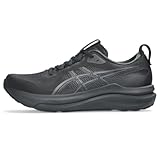
ASICS GEL-Kayano 33
A premium ASICS stability option for shoppers who want a more structured, cushioned support shoe.
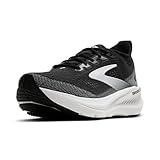
Brooks Glycerin GTS 23
A softer Brooks support option from the latest safe product scan for runners who want guidance and cushion.
Availability, colors, sizes, widths, and prices change often. StripeFit may earn a commission from qualifying Amazon purchases.
How To Shop Without Overpromising The Shoe
Do not start with the softest shoe on the wall. A very soft shoe can feel comfortable for thirty seconds and still feel unstable after twenty minutes. For plantar fasciitis searches, the better first question is whether the shoe keeps your heel settled, whether the arch feels supportive without stabbing, and whether the forefoot has enough space for normal toe spread.
A current stability shoe is often the cleanest place to start because it gives you a structured platform without forcing you into a medical device. That does not mean every runner with heel pain needs stability. Some people do better with a neutral cushioned shoe plus an insert. Others do better with a moderate support shoe alone. The point is to buy in a way that lets you test the fit honestly.
Fit Checks That Matter
Check heel hold first. If your heel lifts, slides, or bangs into the back of the shoe, the shoe is already working against you. Then check the arch. A supportive shoe should feel present, not sharp. If the arch pressure is distracting while standing, it is unlikely to improve during a tired walk or run.
Width is not optional. A narrow shoe can make you grip with your toes, irritate the forefoot, and make an insert feel worse than it is. If you plan to use an orthotic or over-the-counter arch support, try it in the shoe before committing. The insert changes volume, heel height, and arch contact.
When To Compare Insoles Or Orthotics
Mayo Clinic discusses arch supports as one conservative option for distributing pressure more evenly. That does not mean every buyer should immediately add a firm insert. If the shoe already has strong guidance, a high rigid insert may be too much. If the shoe is neutral and comfortable but lacks support, an insert may be the cleaner experiment.
The practical buying rule is simple: change one major variable at a time when possible. New shoe plus new insert plus sudden mileage increase makes it hard to know what helped or hurt. Start with the shoe lane, then decide whether an insert belongs in the setup.
What To Avoid
Avoid old-stock running shoes with foam that may have aged badly, final-sale listings with no return path, and racing shoes bought only because they look fast. Also avoid assuming that barefoot or minimalist shoes are the right answer during an irritated heel phase. A transition to lower support should be slow and deliberate.
Avoid any article, product page, or ad that promises a shoe will cure plantar fasciitis. A shoe can be a useful tool, but pain that persists should be handled with medical guidance. Your best shopping advantage is a current model, a clear support lane, and a return policy that lets you walk indoors before deciding.
Sources And Medical Context
For medical context, read Mayo Clinic on plantar fasciitis diagnosis and treatment. For product shopping, compare this guide with StripeFit support-shoe hubs before buying.
Related StripeFit Guides
Start with best running shoes for flat feet, then compare best running shoes for overpronation, best insoles for running shoes and flat feet, and ASICS Kayano 33 vs Kayano 32.
FAQ
Can running shoes cure plantar fasciitis?
No. A shoe can support better shopping choices, but it should not be treated as a cure. Persistent heel pain deserves medical guidance.
Should plantar fasciitis shoppers buy stability shoes?
Many shoppers start with stability because it offers a steadier platform, but the right answer depends on fit, width, arch feel, and whether an insert is part of the setup.
Are soft shoes best for plantar fasciitis?
Softness alone is not enough. A shoe also needs heel hold, appropriate support, enough width, and a return policy in case the arch or heel feel is wrong.
Before you buy: quick price + alternatives check
Use these links to compare current options and avoid overpaying.
StripeFit may earn a commission from some links. This never affects what we recommend.Get weekly gear picks that actually matter
One email a week. Best shoes, watches, and deals. No fluff.
By subscribing, you agree to receive emails from StripeFit. Unsubscribe anytime.Current running shoe buying paths
Compare modern daily trainers, support shoes, lightweight options, and cushion shoes before chasing old stock.