
By StripeFit Editorial TeamFirst published Updated
Quick answer
What running shoe should you start with for flat feet?
Start with current, returnable stability shoes. Flat feet do not require one magic shoe. The useful buying question is whether you need a stable platform, more width, smoother guidance, or less arch pressure. Compare current support shoes first, then use old-model reviews only to understand fit history.
Flat feet do not automatically mean you need the stiffest shoe on the wall. Some runners with flat feet do well in neutral shoes. Others feel better with stability, a wider base, more midfoot structure, or a firmer heel. The right shoe depends on how you move, what feels comfortable, and whether your current shoes leave you sore or unstable.
This guide is a practical starting point. It is not a diagnosis and it does not replace medical advice. If you have pain, recurring injuries, numbness, or a sudden change in gait, talk with a qualified clinician. If your goal is simply to shop smarter, start by comparing current stability and supportive daily trainers.
Flat Feet Shoe Guides By Need
If you are not sure which kind of support you need, use these focused guides before buying. They keep the main flat-feet advice practical and point you toward the right current shoe lane.
| Need | Read Next | Best Starting Point |
|---|---|---|
| Foot rolls inward | Best running shoes for overpronation | Adrenaline GTS, GT-2000, Kayano, 860, Guide |
| Wide feet plus low arches | Best running shoes for wide flat feet | New Balance 860, Adrenaline GTS, Guide Wide, Kayano Wide |
| Men’s support and walking use | Best men’s running shoes for flat feet | Adrenaline GTS, 860, Kayano, GT-2000, Guide |
| Walking, standing, and workdays | Best walking shoes for flat feet | Addiction Walker, 928v3, Bondi SR, Glycerin GTS |
| Need more arch shape inside the shoe | Best insoles for running shoes and flat feet | CURREX RunPro, PowerStep, Superfeet, Spenco |
Stability vs Support vs Comfort
Stability and support are related, but they are not the same thing as comfort. A shoe can be supportive and still feel wrong for your foot. It can also feel comfortable in the store and become unstable after a few miles. That is why flat-footed runners should test both standing comfort and movement comfort.
Look for a shoe that keeps your foot centered without forcing the arch. The heel should feel secure. The midfoot should feel guided, not squeezed. The forefoot should have enough room for your toes to spread naturally. If a shoe solves one problem but creates another, keep comparing.
When To Consider Insoles
Insoles can help some runners, especially when the shoe shape is good but the underfoot feel needs more support. They are not a magic fix for a bad shoe. If the shoe is too narrow, too short, unstable at the heel, or uncomfortable through the upper, an insole usually will not solve the main problem.
For flat feet, the safest approach is to start with a supportive current shoe first. Then consider insoles if you still need more underfoot structure. Keep the receipt and test changes gradually so you know which change actually helped.
Support shoe route
When Flat Feet Also Means Overpronation
If the flat-feet problem is really inward roll plus support fatigue, compare current stability running shoes for overpronation before choosing between Kayano, Adrenaline, GT-2000, Guide, 860, or Glycerin GTS lanes.
Stability Shoe Decision Guides
If your flat-feet search is really a stability-shoe decision, use these focused guides before buying. They compare support level, cushion, width, and current model lanes so you can choose a shoe category instead of guessing from one product page.
| Decision | Read Next | Best Starting Point |
|---|---|---|
| Not sure if you need support | Neutral vs stability running shoes | GT-2000, Adrenaline GTS, Guide, 860 |
| Want a daily support shortlist | Best stability running shoes | Adrenaline GTS, GT-2000, Kayano, Glycerin GTS |
| Replacing an ASICS support shoe | ASICS GT-2000 alternatives | GT-2000, Kayano, GT-1000, Adrenaline, 860 |
| Choosing Brooks or ASICS | Brooks Adrenaline vs ASICS Kayano | Adrenaline GTS, Kayano, GT-2000, Glycerin GTS |
Affiliate disclosure: StripeFit may earn a commission from qualifying purchases. We place this note before the first monetized product section and keep the page focused on current, returnable support-shoe paths rather than old-stock guesswork.
Current support routes
Choose the right support lane first
Short answer: Start with the flat-feet hub when the main question is support, then branch to overpronation, stability, wide fit, beginner daily trainers, max cushion, or current support comparisons as needed.
Core support routes
- Best running shoes for overpronation: Best running shoes for overpronation Best next stop when inward roll is the real fit question.
- Best stability running shoes: Best stability running shoes Broader stability shortlist when support level is the main filter.
- Best running shoes for wide flat feet: Best running shoes for wide flat feet Width-first branch when low arches and forefoot room both matter.
Buyer paths
- Best running shoes for beginners: Best running shoes for beginners Cleaner start when the search is really about a first daily trainer.
- Best max-cushion running shoes for walking and running: Best max-cushion running shoes for walking and running Plusher lane when comfort and daily wear matter more than support geometry.
Current support comparisons
- Brooks Adrenaline vs ASICS Kayano: Brooks Adrenaline vs ASICS Kayano Support-vs-support comparison when the reader wants a current stability showdown.
- ASICS GEL-Kayano 33 vs Kayano 32: ASICS GEL-Kayano 33 vs Kayano 32 Current-model stability comparison when the buyer is already in the premium ASICS lane.
Next helpful guides
Next helpful guides
Use these when the next decision is support level, width, or the first shoe to compare.
- Best running shoes for overpronationBest follow-up when inward roll is the main fit question.
- Best running shoes for wide flat feetBest follow-up when width and low arches need to be handled together.
- Best running shoes for beginnersBest follow-up when the reader needs a simpler first shoe choice.
Next helpful guides
Next helpful guides
Use these when support, width, or the next fit split matters more than the exact shoe name.
- Best running shoes for overpronationBest follow-up when inward roll is the real fit question.
- Best running shoes for wide flat feetBest follow-up when width and low arches need to be handled together.
- Buying guidesBest hub when the reader wants a broader current decision path.
Support shoe comparison
Compare Two Current Support Benchmarks
If you are deciding between current support shoes, compare ASICS GT-2000 14 vs Brooks Adrenaline GTS 25 before choosing a flat-feet shoe from the broader list.
How We Compared These Options
- The current shortlist was checked at the model level against manufacturer naming and live retailer paths for the GT-2000, GEL-Kayano, Adrenaline GTS, New Balance 860, and Saucony Guide families.
- The decision uses shopper-verifiable variables: heel hold, forefoot room, width and volume, support feel, cushioning, intended use, exact size and variant, seller, and return policy.
- No arch label or product category guarantees comfort. These are comparison paths, not medical recommendations or promises of a particular result.
- Prices and inventory are treated as live checks rather than permanent facts; confirm the exact listing before ordering.
See how StripeFit researches and updates product guides.
Quick answer
Flat-feet support: compare current stability first, then branch by fit
Short answer: If flat feet is the main issue, start with a current support shoe and compare support feel, width, and return-risk before worrying about old stock.
Affiliate disclosure: StripeFit may earn a commission from qualifying purchases. The current-price path stays visible before you leave this page.
Current price check: Check current Kayano 32 price
Supporting routes: best running shoes for overpronation, best running shoes for wide flat feet.
Comparison child: Brooks Adrenaline vs ASICS Kayano is the live side-by-side route when the real decision is Brooks Adrenaline versus ASICS Kayano.
Current Product Starting Points
These are exact Amazon product candidates pulled through the configured product feed and kept only after the StripeFit buying-guide review. Always confirm your size, width, color, and return policy before buying.
Start Here: Match The Real Support Problem
Use the shortest route that matches the buying job, then keep moving toward the current support page that fits the foot, the use case, and the replacement path.
| Need | Best Next Click | Why This Route Works |
|---|---|---|
| Support level first | Best stability running shoes | Best when you know support matters, but you still need to compare how much structure feels right. |
| Width first | Best running shoes for wide flat feet | Best when fit room matters as much as support and the forefoot or midfoot needs space. |
| Overpronation | Best running shoes for overpronation | Best when the foot rolls inward and the decision is mostly about guidance, not just cushion. |
| Walking and daily wear | Best walking shoes for flat feet | Best when all-day comfort matters more than workout feel or pace. |
| Beginner route | Best running shoes for beginners | Best when this is the first pair and the simplest first-buy path will convert faster. |
| Old-model replacement | ASICS GT-2000 alternatives | Best when the search starts from an older support model and needs a current comparison set. |
Evidence We Used
- This hub is strongest when it helps a reader choose the right support lane before they scroll into product comparisons.
- The decision split is straightforward: support level, width, overpronation, walking versus running use, beginner comfort, or replacement risk.
- The flat-feet cluster already covers those buyer paths with live pages, so the top-of-page module can route faster without changing the rest of the page.
- A compact choice tree makes the page easier to use for shoppers who want the fastest path to the right shoe type.
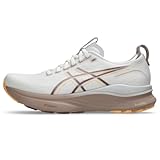
ASICS GEL-Kayano 32
Best first check when you want premium ASICS stability with more cushioning than a lighter daily support shoe.

ASICS GT-2000 14
Good first check when you want lighter daily stability without moving into a max-support shoe.

Brooks Adrenaline GTS 24
Reliable Brooks support option if you want a proven daily stability trainer with GuideRails-style guidance.
Flat Feet Running Shoes: Best Current Starting Points
Short answer: Flat feet do not automatically require the stiffest stability shoe. Most runners should start with a comfortable support shoe in the right width, then move up or down in structure based on how the arch and heel feel.
The top query for this page is “flat feet running shoes,” so the first job is to route the reader quickly. Some buyers need a moderate stability trainer, some need wide sizing, and some need a walking-friendly shoe that can handle short runs.
| Search intent | Current path | Best fit |
|---|---|---|
| Moderate support | ASICS GT-2000 14 | Best first check when you want support without a bulky max-support feel. |
| Maximum ASICS comfort | ASICS GEL-Kayano 32 | Best if you want more cushion, structure, and long-run comfort. |
| Reliable daily stability | Brooks Adrenaline GTS 25 | A familiar support baseline for daily running and walking. |
| Wide flat feet | New Balance 860v15 | A strong width-first path when toe room matters as much as support. |
| Saucony support feel | Saucony Guide 19 | A current stability trainer with wide and extra-wide availability. |
How To Choose Flat-Feet Running Shoes
- Try wide or extra-wide before sizing up in length just to make room.
- A support shoe should feel steady, not like it is forcing your arch upward.
- If you walk and run in the same shoe, prioritize comfort and return policy over old-model discounts.
- If pain is persistent, use this as shopping guidance and talk with a qualified clinician for medical advice.
Next: compare wide flat-feet shoes, overpronation shoes, neutral vs stability shoes, and legacy support replacements like ASICS GT-2000 2.
Current Support Shoes To Compare First
Flat-feet traffic should land on current support shoes, not old-stock guesswork. Start with a mainstream stability trainer, then compare fit, width, return policy, and whether the shoe feels stable without forcing your stride.

ASICS GEL-Kayano 32
Best premium ASICS support check for runners who want a stable, cushioned daily shoe.

Brooks Adrenaline GTS 25
Strong first Brooks comparison if the buyer wants steady support without a harsh ride.
New Balance Fresh Foam X 860v15
Width-first support option when toe room matters as much as stability. StripeFit routes this pick to the live New Balance 860v15 path because that current brand page is clearer than old Amazon-match noise.

Saucony Guide 19
Good current Saucony support path for runners comparing lighter daily stability shoes.
Next helpful guides
Compare the current buying path
Use these routes when the shopper needs the broader support path, a width-first branch, or the inward-roll decision next.
- Best stability running shoesBroader support hub when you want the current stability lane first.
- Best running shoes for overpronationBest next step when inward roll is the main fit question.
- Best running shoes for wide flat feetBest next step when width and low arches both matter.
Quick Picks
| Need | Start with | Why |
|---|---|---|
| Moderate stability | ASICS GT-2000 | Supportive without feeling like too much shoe for many runners. |
| Premium stability | ASICS Kayano | More cushioning and a more protective feel. |
| Reliable daily support | Brooks Adrenaline GTS | Popular stability trainer with broad appeal. |
| Structured daily miles | New Balance 860 | Stable platform with New Balance fit options. |
| Saucony support | Saucony Guide | Good comparison for runners who like Saucony geometry. |
What Flat-Footed Runners Should Look For
Look for a shoe that feels stable under your arch and heel without creating pressure. The best shoe should feel supportive, not corrective in an uncomfortable way. A wider platform can help. A secure heel can help. A model that comes in wide sizing can matter more than a model with more technology.
If you overpronate, stability shoes are worth comparing. If you do not overpronate or you feel comfortable in neutral shoes, you may not need a stability model. Let comfort, control, and repeatable running guide the decision.
How To Match Support To Your Use Case
If you are walking more than running, prioritize comfort, width, and a stable base before chasing a technical running-shoe label. If you are building toward regular road mileage, start with a supportive daily trainer that can handle easy runs, long walks, and recovery days. If you are heavier, returning from a break, or standing for long shifts, cushioning and durability matter just as much as arch support.
For many buyers, the best first comparison is a current stability trainer from ASICS, Brooks, New Balance, Saucony, or Nike. From there, adjust by fit. Choose wide sizing if the upper pinches. Choose more cushioning if your legs feel beat up after easy miles. Choose less structure if the shoe feels like it is forcing your foot into an uncomfortable position.
What To Avoid
Avoid buying a shoe only because it is labeled for flat feet. Avoid old discontinued support shoes with questionable foam life. Avoid shoes that press hard into the arch in the store. Avoid ignoring width. Many flat-footed runners need more room through the midfoot and toe box, not just more support.
How To Test A Pair
Try the shoes late in the day or after you have been on your feet for a while. Use the socks you actually run in. Walk, jog if the store allows it, and pay attention to heel slip, arch pressure, toe room, and whether the shoe feels stable when you turn. At home, test only on clean indoor surfaces until you are sure you are keeping the pair.
Bottom Line
The best running shoes for flat feet are current, supportive, easy to return, and comfortable under your specific foot. Start with stability daily trainers, compare fit carefully, and do not chase discontinued shoes unless the price and return policy make sense.
Need A Higher-Support ASICS-Style Option?
If the question is less about general flat-feet advice and more about replacing an older high-support shoe, compare ASICS GEL-Fortify current alternatives. It is the better next step when you want a current support path built around motion control feel, stability level, width risk, and daily-training use.
Evidence We Used
- ASICS GEL-Fortify remains a near-win support-shoe page in the opportunity report after passing claim and disclosure fixes.
- This flat-feet/stability cluster already carries current product cards, so internal-link reinforcement is the low-risk next move.
- Recent StripeFit support-shoe work centers on buyer variables like width, support level, overpronation, and daily-training comfort.
- Live source-page checks showed the flat-feet hub lacked a direct route into the Fortify replacement page before this update.
Related buying path
Neutral cushion if support is not the main issue
If the runner does not need a support-first shoe, compare the Novablast 6 vs Novablast 5 buying decision before moving from flat-feet support into a lighter neutral daily trainer.
Evidence We Used
- The 2026-06-28 internal-link brief named this source page as a route into a money page with impressions, affiliate-click signal, or distribution value.
- The route supports a specific buyer decision instead of adding a generic related-post link.
- This batch changes internal routing only; product cards, affiliate URLs, disclosure placement, title/meta, and schema stay unchanged.
Related buying path
Keep trail traction separate from a road-support decision
For shoppers who also need trail traction, compare current trail shoes to compare before buying old FujiAttack stock rather than assuming a road-support shoe covers a different surface need.
Related buying path
When the support search turns into a premium ASICS comparison
If the flat-feet shortlist shifts from pure support into a higher-cushion neutral ASICS trainer, use the Superblast 3 vs Novablast 6 comparison to compare premium cushion, daily mileage comfort, price, and rotation fit before buying.
Evidence We Used
- The 2026-07-14 internal-link brief recommended this route into the Superblast 3 vs Novablast 6 click-winner page.
- The target page passed live audit with disclosure before affiliate links, tagged Amazon links, FAQPage schema, and ItemList schema.
- The source page passed live audit before this batch, so this update changes internal routing only.
FAQ
Do flat feet always need stability running shoes?
No. Stability shoes help some runners, but comfort and gait matter. Some flat-footed runners do well in neutral shoes.
Are wide shoes better for flat feet?
Sometimes. If a standard shoe squeezes the midfoot or toes, a wide size can improve comfort more than changing brands.
What is the safest first shoe for flat feet?
A current stability daily trainer with a good return policy is usually the safest first comparison point.
Get weekly gear picks that actually matter
One email a week. Best shoes, watches, and deals. No fluff.
By subscribing, you agree to receive emails from StripeFit. Unsubscribe anytime.Current running shoe buying paths
Compare modern daily trainers, support shoes, lightweight options, and cushion shoes before chasing old stock.