By StripeFit Editorial TeamFirst published Updated
Affiliate note. StripeFit may earn a commission from some links. This never affects what we recommend.
The lightweight speed trainer category has exploded in popularity, offering runners a perfect middle ground between heavy, over-built daily trainers and stiff, expensive carbon-plated racing shoes. These versatile models deliver premium, energetic midsole foams without the harshness or high price tag of a carbon plate. This buyer-research guide, based on current availability, fit intent, and product data, compares two of the most compelling options in this space: the New Balance Rebel v5 and the Adidas Adizero EVO SL. Both shoes aim to make fast paces feel effortless, but they go about it with very different design philosophies.
The New Balance Rebel series has earned a dedicated following for its featherlight weight and springy, flexible ride. With the Rebel v5, New Balance continues to refine this formula by pairing its energetic FuelCell foam with a slightly wider, more stable platform. It is a shoe designed to disappear on your foot, offering enough cushion for daily miles while remaining incredibly nimble when you decide to pick up the pace. It appeals to runners who value natural foot movement and a soft, accommodating fit.
In contrast, the Adidas Adizero EVO SL is a striking new addition to the Adizero family, drawing heavy visual and structural inspiration from elite marathon racing shoes. By packing a substantial stack of Lightstrike Pro foam into a non-plated trainer, Adidas has created a shoe that feels aggressive, fast, and highly rockered. It is built for runners who want a snappy transition and a secure, race-like lockdown during intense interval sessions, tempo runs, or fast daily training.
Featured current options
When comparing the New Balance Rebel v5 and the Adidas Adizero EVO SL, the differences lie primarily in their midsole compounds, geometry, and upper fit. The Rebel v5 features a FuelCell midsole, which is a PEBA and EVA blend. This compound is exceptionally soft and bouncy, offering a highly flexible ride that moves naturally with your foot. Because there is no plate, your foot works naturally, making the Rebel v5 feel like an extension of your body. The platform is also noticeably wider through the midfoot and forefoot, providing inherent stability without the need for rigid posting. The Adidas Adizero EVO SL takes a different approach by utilizing full-length Lightstrike Pro foam, the same premium compound found in top-tier Adidas racing shoes. Lightstrike Pro is highly energetic but has a firmer, more structured feel than FuelCell. To compensate for the lack of a carbon plate, Adidas employs an aggressive forefoot rocker geometry. This design rolls your foot forward rapidly during the toe-off phase, creating a snappy, propulsive sensation that encourages a fast turnover. The uppers of these two shoes also cater to different preferences. The Rebel v5 uses a lightweight, breathable engineered mesh that offers a comfortable, accommodating fit with plenty of room in the toe box. It is easy to step into and feels comfortable from the very first mile. The Adizero EVO SL features a sleek, stripped-back woven upper that provides a highly secure, performance-oriented lockdown. It fits closer to the foot, mimicking the snug feel of a racing flat, which is excellent for high-speed cornering but may feel tight for runners with wider feet. On the outsole, both brands have strategically placed rubber in high-wear areas to keep weight to an absolute minimum. The Rebel v5 features a durable rubber layout that provides reliable traction on wet and dry pavement. The EVO SL uses a thin, high-traction rubber pattern designed to grip the road tightly during fast workouts. While neither shoe is built for trail running, both offer excellent road durability for lightweight trainers.

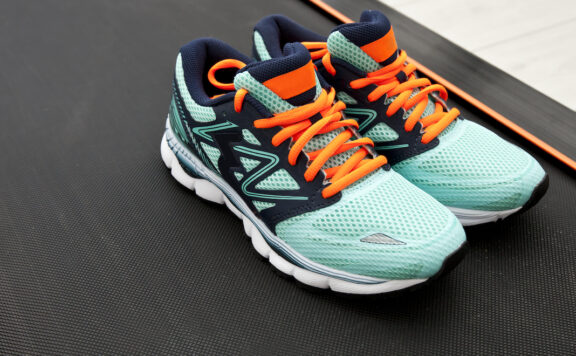
New Balance Men’s FuelCell Rebel V5 Running Shoe, Angora/Earth Shadow/Sea Salt, 9.5 M
Current product checkpoint for New Balance Rebel v5 vs Adidas Adizero EVO SL: Lightweight Speed Trainer Comparison. Confirm your size, width, color, seller, and return policy before buying.
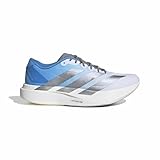
adidas Mens Adizero Evo SL Woven Running Shoes White/White/White 8.5 Medium
Current product checkpoint for New Balance Rebel v5 vs Adidas Adizero EVO SL: Lightweight Speed Trainer Comparison. Confirm your size, width, color, seller, and return policy before buying.
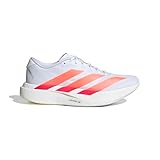
adidas Mens Adizero Evo SL Running Shoes, White/Lucid Orange/Lucid Red, 12, D – Medium
Current product checkpoint for New Balance Rebel v5 vs Adidas Adizero EVO SL: Lightweight Speed Trainer Comparison. Confirm your size, width, color, seller, and return policy before buying.
Who this guide is for
Runners who want a soft, bouncy, and flexible ride that can easily transition from daily training to tempo runs.
Athletes looking for a highly rockered, aggressive speed trainer that mimics the feel of a carbon-plated racer without the stiff plate.
Those who prefer a wider, more accommodating forefoot fit for natural toe splay during longer runs.
Runners who love the energetic bounce of Adidas Lightstrike Pro foam and want a dedicated workout shoe for intervals and tempo sessions.
Who should skip it
You require a stiff carbon plate for maximum energy return during competitive races.
You need a high-stability shoe with traditional medical posting or heavy guidance systems.
You prefer a highly cushioned, heavy-duty daily trainer built primarily for slow, easy recovery miles.
Current product snapshot
| Product | Best fit | Current price | Next step |
|---|---|---|---|
| New Balance Men’s FuelCell Rebel V5 Running Shoe, Angora/Earth Shadow/Sea Salt, 9.5 M | Lightweight Speed Trainers | $142.00 | View on Amazon |
| adidas Mens Adizero Evo SL Woven Running Shoes White/White/White 8.5 Medium | Lightweight Speed Trainers | $149.95 | View on Amazon |
| adidas Mens Adizero Evo SL Running Shoes, White/Lucid Orange/Lucid Red, 12, D – Medium | Lightweight Speed Trainers | $149.95 | View on Amazon |
How to choose without wasting money
Evaluate your preference for underfoot softness: Choose the Rebel v5 if you prefer a soft, pillowy compression underfoot, or select the Adizero EVO SL if you prefer a firmer, more responsive, and structured ride.
Consider the shoe geometry and transition style: The Rebel v5 relies on natural foot flexibility and a springy foam, whereas the Adizero EVO SL utilizes an aggressive forefoot rocker to roll your foot forward quickly.
Assess your fit requirements: The Rebel v5 offers a more accommodating, wider platform that fits a variety of foot shapes, while the Adizero EVO SL has a snugger, race-oriented fit that secures the foot tightly.
Determine the primary use case: If you want a single lightweight shoe for both daily easy miles and speedwork, the Rebel v5 is highly versatile. If you want a dedicated speed partner to complement a plush daily trainer, the Adizero EVO SL excels at fast paces.
Common buying mistakes
- Expecting a plated feel: Neither of these shoes contains a carbon-fiber plate, so do not expect the rigid, propulsive pop of a marathon racing shoe.
- Sizing incorrectly based on brand history: Adidas shoes often run slightly narrower than New Balance models, so assuming you wear the exact same size in both without checking fit data can lead to midfoot discomfort.
- Using them for heavy trail running: Both models prioritize weight reduction, meaning they have thin outsoles and exposed foam that will wear down quickly on gravel or technical trails.
What to check before you buy
The New Balance Rebel v5 features a redesigned upper that improves midfoot lockdown compared to version 4, making it feel more stable at high speeds.
The Adidas Adizero EVO SL offers an incredibly lightweight woven upper that breathes exceptionally well but has minimal heel collar padding to save weight.
Outsole rubber on both shoes is strategically placed, meaning high-wear areas are protected, but high-mileage runners should expect typical lightweight trainer wear patterns.
Related StripeFit next step
If you are interested in how the EVO SL compares to other high-performance options in the Adidas lineup, check out our detailed head-to-head comparison of the adidas adizero evo sl vs boston 13.
FAQ
Is the New Balance Rebel v5 suitable for marathon training?
Yes, the New Balance Rebel v5 is an excellent option for marathon training, particularly for uptempo long runs, tempo sessions, and daily base building. Its lightweight FuelCell foam provides ample cushioning to protect your legs over double-digit mileages. However, because it lacks a carbon plate, some runners may prefer to save it for training runs and use a plated shoe like the FuelCell SuperComp Elite for actual race day.
Does the Adidas Adizero EVO SL have a carbon plate?
No, the Adidas Adizero EVO SL does not contain a carbon plate or energy rods. It is designed as a non-plated speed trainer, utilizing a full-length Lightstrike Pro midsole and an aggressive rocker geometry to generate speed and quick transitions. This design makes it more flexible and comfortable for regular training compared to stiff, plated racing shoes.
Which shoe is better for wide feet, the Rebel v5 or the EVO SL?
The New Balance Rebel v5 is generally much better for runners with wider feet. New Balance designed the Rebel v5 with a wider midfoot and forefoot platform, which provides a more accommodating fit and natural toe splay. The Adidas Adizero EVO SL features a snugger, more traditional race-like fit that may feel constricting for runners with wide or high-volume feet.
How does the durability of these lightweight trainers compare to standard daily trainers?
Because both the Rebel v5 and Adizero EVO SL prioritize lightweight performance, they use exposed foam on the outsole and thinner upper materials. Consequently, they may not last as long as heavy-duty daily trainers that feature thick rubber outsoles. You can typically expect around 300 to 400 miles of optimal performance from these shoes, depending on your running form, weight, and running surface.
Last updated May 31, 2026.
Get weekly gear picks that actually matter
One email a week. Best shoes, watches, and deals. No fluff.
By subscribing, you agree to receive emails from StripeFit. Unsubscribe anytime.Current running shoe buying paths
Compare modern daily trainers, support shoes, lightweight options, and cushion shoes before chasing old stock.