By StripeFit Editorial TeamFirst published Updated
Salt tablets and electrolyte powder can both fit a runner hydration plan, but they solve different problems. Tablets and capsules are portable and measurable. Powders turn a bottle into a complete drink. The best choice depends on how you carry fluid, how your stomach handles concentrated products, and whether you want sodium separate from flavor and carbs.
Runners often compare these products after a hot long run or a race that exposed a weak hydration plan. The answer is rarely that one format is always better. A trail runner with a vest may like powder in bottles. A marathoner relying on aid-station water may prefer chewable tabs or capsules.
Disclosure: This page contains affiliate links. If you buy through qualifying links, StripeFit may earn a commission at no extra cost to you.
Health note: This guide is general education, not medical advice. Talk with a qualified clinician before using supplements if you have a medical condition, take medication, are pregnant, manage blood pressure, or suspect a deficiency.
Quick Answer
Choose electrolyte powder if you want flavor and sodium mixed into bottles. Choose salt tablets, chews, or capsules if you want portable sodium separate from your drink. Use either with enough fluid, practice before race day, and avoid high-sodium products without medical guidance if you have relevant health concerns.
| Runner Situation | Practical Starting Point | What To Check |
|---|---|---|
| Bottle-based runner | Electrolyte powder | Mixing, taste, and concentration |
| Aid-station runner | Chews or capsules | Taking with enough water |
| Sensitive stomach | Lower-dose format first | Dose spacing and ingredients |
Current Buying Checks
Use these as research starting points. Confirm serving size, ingredients, third-party testing, price, return policy, and whether the product fits your diet before buying.
StripeFit may earn a commission from qualifying Amazon purchases.
How To Think About This As A Runner
Powder is simple if you already carry bottles. It spreads sodium and flavor across fluid, which can make sipping more natural. The tradeoff is that every sip tastes like the product, and changing concentration during the run is not easy.
Tablets, chews, and capsules separate sodium from the bottle. That can be useful during races where you take plain water from aid stations. The tradeoff is that concentrated sodium without enough fluid can bother some stomachs.
Who This Guide Is For
This guide is for runners who are trying to make a practical decision, not chase a miracle product. If you are comparing salt tablets vs electrolyte powder, start with your actual training week: how long you run, how hot the conditions are, how often you lift, whether you race, and whether regular meals already cover most of the need. A supplement should make a routine easier to execute. It should not become the routine.
It is also for runners who want to avoid buying the wrong category. A hydration product will not replace fuel. A protein product will not fix poor sleep. A recovery product will not make up for a training load that jumped too fast. The useful question is narrow: what job does this product do, and is that job actually missing from your current setup?
Buying Criteria
Compare sodium per unit first. A chew, capsule, tablet, and scoop may all look small but deliver very different amounts. Then look for added caffeine, sugar alcohols, or ingredients you already know you dislike.
Consider handling. Can you open the package while running? Will the tablets crumble in a sweaty pocket? Can you swallow capsules when breathing hard? A product that is awkward in motion may not be the right race-day tool.
How StripeFit Compares Products
StripeFit looks at the label before the lifestyle claim. That means serving size, active ingredients, sodium, carbohydrate, caffeine, protein grams, sweeteners, allergens, third-party testing, price per serving, and return policy matter more than a dramatic before-and-after promise. For Amazon listings, we also treat seller quality and recent availability as part of the buying decision because stale listings and confusing bundles can waste money.
For direct-brand offers, the same standard applies. A higher affiliate payout does not make a product a better fit. Before a supplement gets a primary recommendation, the page needs a clear runner use case, conservative claims, visible disclosure, and a product page that does not lean on disease, cure, guaranteed weight-loss, or guaranteed performance language.
Common Mistakes
Do not take salt products dry and hope for the best. Follow label directions and use enough fluid. Running already stresses the stomach, especially in heat.
Do not buy salt tablets because another runner uses them. Sweat rate, pace, race duration, medical history, and food plan all change the answer.
How To Use It In Training
Test format during long runs, not only easy runs. If a capsule feels fine at mile three but terrible at mile sixteen, you need to know that before race day.
For races, decide how the format interacts with aid stations. If you plan to take a capsule before water stops, practice that timing in training.
A Simple Testing Plan
Use a three-run test before trusting any new supplement on race day. First, try it on an easy day where the stakes are low. Second, try it on a medium-long run or normal workout so you can see how it behaves under moderate stress. Third, try it in the closest realistic version of the situation you are buying for, such as a warm long run, a morning workout, a travel day, or a post-lift recovery meal.
Keep the rest of the routine stable during the test. Do not change breakfast, shoes, caffeine, pace, and supplement all at once. If something feels off, you need to know which variable caused it. The best supplement for a runner is often the one that disappears into the routine because it is easy to use, easy to tolerate, and easy to repeat.
Related StripeFit Guides
- How much sodium do runners need
- Electrolytes vs sports drinks
- Best hydration belts for half marathon training
FAQ
Are salt tablets stronger than electrolyte powder?
Sometimes, but not always. Compare sodium per serving instead of assuming by format.
Can I use salt tablets with sports drink?
You can, but count total sodium and carbohydrate, and test the combination before race day.
Are salt tablets safe for all runners?
No. Runners with blood pressure, kidney, heart, or medication concerns should ask a clinician before increasing sodium intake.
Current Sodium And Electrolyte Products To Compare
Salt products and electrolyte powders solve different carry problems. Compare sodium amount, bottle setup, fluid access, and medical context before using high-sodium products.
Health note: These are shopping checkpoints, not medical recommendations. Confirm label details, serving size, caffeine, sodium, allergens, expiration, seller quality, and return policy before buying. Ask a qualified clinician first if you have a medical condition, take medication, are pregnant, manage blood pressure, have kidney or heart concerns, or have food allergies.

SaltStick FastChews
Chewable electrolyte option when you want sodium separate from a bottle mix.
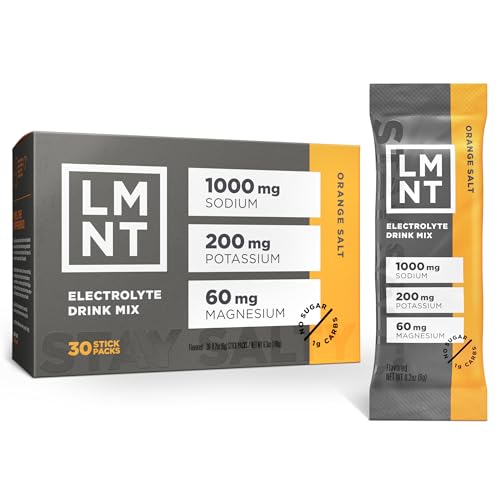
LMNT Electrolyte Drink Mix
High-sodium mix comparison. Check sodium amount against sweat rate and medical context.

Nuun Sport
Portable tablet comparison for travel, gym bags, and easy bottle mixing.

Skratch Labs Hydration Mix
Sport drink mix comparison with carbohydrate, flavor, sodium, and bottle logistics to check.
StripeFit may earn a commission from qualifying Amazon purchases. Test race fuel, electrolytes, and protein products in normal training before relying on them for race day.
Before you buy: quick price + alternatives check
Use these links to compare current options and avoid overpaying.
StripeFit may earn a commission from some links. This never affects what we recommend.Get weekly gear picks that actually matter
One email a week. Best shoes, watches, and deals. No fluff.
By subscribing, you agree to receive emails from StripeFit. Unsubscribe anytime.Supplement decisions to compare next
Keep the claims conservative and compare serving size, ingredients, testing, price per serving, and whether the product fits your training.