By StripeFit Editorial TeamFirst published Updated
The best hydration belt for half-marathon training is the one you can wear for the full run without thinking about it. A belt that bounces, twists, leaks, or squeezes your stomach will not become part of your routine. For most runners, the right belt solves three jobs at once: it carries enough fluid for the route, keeps a phone or key secure, and stays comfortable as pace and effort change.
Half-marathon training creates a different carry problem than a short neighborhood jog. You may be out long enough to need water, but not always long enough to justify a full hydration vest. A belt can be the middle lane. It keeps your upper body free, avoids backpack heat, and gives you easy access to a bottle without planning every run around water fountains.
Disclosure: This page contains affiliate links. If you buy through qualifying links, StripeFit may earn a commission at no extra cost to you.
Quick Answer
Start with a one-bottle belt if your long runs are moderate, your route has water access, or you mostly need phone storage plus a little fluid. Choose a two-bottle belt if you train in heat, run routes without water stops, or want one bottle for water and one for electrolyte mix. Pick a waist pack style if phone storage matters as much as hydration. If belts bounce or bother your stomach, compare a light hydration vest instead.
| Runner Need | Start With | Why It Works |
|---|---|---|
| Simple half-marathon carry | AiRunTech hydration running belt | A practical first belt with bottle and phone storage. |
| More fluid without a vest | AiRunTech two-bottle belt | Two smaller bottles can feel more balanced for longer routes. |
| Race-style belt setup | Fitletic Hydra 16 | A belt lane for runners comparing quick-flow bottles and a compact pouch. |
| Phone-first carry | Running waist pack with bottle holder | Better when storage matters as much as hydration. |
| Belt does not work | Light hydration vest | A vest can spread weight better if belts bounce or ride up. |
Audited Product Starting Points
These exact Amazon products came from the current product feed and passed the StripeFit relevance audit for this hydration and race-day gear cluster. Confirm size, flavor, capacity, price, and return policy before buying.

AiRunTech Hydration Running Belt
A practical first check for runners who want belt storage, a bottle, and phone carry without moving to a vest.

AiRunTech Two-Bottle Hydration Belt
Useful when a runner wants belt carry plus two smaller bottles for longer routes or warmer training blocks.
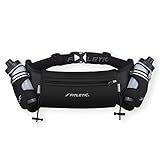
Fitletic Hydra 16 Hydration Belt
A good check for runners comparing a belt with two quick-flow bottles and a more race-oriented pouch.
How To Choose
Choose by route length and refill access first. A runner doing five to seven miles near parks may only need one bottle. A runner doing ten miles in heat may need two bottles, a handheld, or a vest. Do not buy the largest carry system because it looks serious. Buy the smallest system that reliably covers the route and does not change your stride.
Next, choose by bounce tolerance. Some runners love belts because the shoulders stay free. Others dislike any pressure around the waist. A good belt should sit firmly on the hips or natural waist, depending on design, without sliding upward every few minutes. If you keep tightening the strap during runs, the belt is probably wrong for your body or the bottle load is too heavy.
Fit, Carry, And Comfort Checks
Load the belt the way you will actually run: bottle filled, phone inside, key clipped, gel pocket loaded. Jog, turn, bend, and walk uphill if possible. The bottle should not hit your arm swing. The phone should not bounce against the stomach. The buckle should not press into the abdomen when breathing gets harder.
Common Mistakes
The first mistake is testing the belt empty. An empty belt can feel perfect in a store and annoying once a full bottle, phone, and gels are added. Weight changes how the belt sits. Always judge carry gear under the load you plan to use.
The second mistake is copying a race-day setup before testing it in training. Half-marathon race day is not when you want to discover that a bottle leaks, a pocket opens, or the belt chafes at mile eight. Use the belt during long runs until it feels ordinary.
Training And Race-Day Use
For long runs, practice drinking before you feel desperate. A belt only helps if you use it early enough to keep the run steady. If you also use gels or chews, make sure the belt has a pocket you can open while moving. Convenience matters because difficult gear gets ignored.
For race day, check the course water stations before deciding how much to carry. Some runners use a belt only for gels and phone storage while relying on aid stations. Others carry a small bottle to avoid crowding or to sip between stations. The right answer depends on the course, weather, and your stomach.
Best Buying Path
Compare AiRunTech if you want a practical first hydration belt, the two-bottle AiRunTech setup if you want more fluid without a vest, and Fitletic Hydra 16 if you want a more race-oriented belt. If you need more storage, move next to the running waist-pack guide. If belts bounce, read hydration vest vs belt before buying again.
Internal Next Steps
Use hydration vest vs belt for running if you are unsure about carry style. For smaller carry, read best running water bottles for long runs. If you are building a broader kit, start with beginner running gear checklist and best running shoes for beginners.
FAQ
Do you need a hydration belt for half-marathon training?
Not always. You need a hydration plan. A belt is useful when your route lacks water access, the weather is warm, or carrying a phone and bottle together makes training simpler.
Is one bottle enough for a long run?
It depends on run length, heat, sweat rate, and water access. One bottle can be enough for moderate long runs with refill options. Longer hot routes may require two bottles, a handheld plus refill, or a vest.
Are hydration belts better than vests?
Belts are simpler and cooler for many road runners. Vests usually carry more and spread weight better. Choose by distance, weather, route, and whether waist pressure bothers you.
Fuel To Carry With The Belt
A hydration belt is often useful because it carries more than water. Use these race-fuel guides to decide whether the pockets need gels, chews, caffeine, or only keys and a phone.
| Next decision | Best StripeFit guide | Why it matters |
|---|---|---|
| Half marathon gel timing | Running gels for half marathon training | Best match when the belt is for one or two fuel points. |
| Gel vs chew carry | Running gels vs chews | Helps decide whether pocket size, wrappers, and chewing matter more than bottle capacity. |
| Energy gel shortlist | Best energy gels for runners | Use after choosing the belt so you know what the product needs to fit. |
Before you buy: quick price + alternatives check
Use these links to compare current options and avoid overpaying.
StripeFit may earn a commission from some links. This never affects what we recommend.Get weekly gear picks that actually matter
One email a week. Best shoes, watches, and deals. No fluff.
By subscribing, you agree to receive emails from StripeFit. Unsubscribe anytime.Hydration and fuel buying paths
Match the setup to run length, weather, carry needs, and stomach tolerance before buying bottles, belts, vests, gels, or electrolytes.