By StripeFit Editorial TeamFirst published Updated
Supplements for new runners should be boring. If you just started running, the biggest gains usually come from consistent training, comfortable shoes, enough food, sleep, and not doing too much too soon.
That does not mean every supplement is useless. It means beginners should buy by problem, not by hype. A hot long run may need electrolytes. A busy day after a workout may need a protein snack. A race may eventually need fuel practice. None of that requires a giant stack on week one.
Disclosure: This page contains affiliate links. If you buy through qualifying links, StripeFit may earn a commission at no extra cost to you.
Health note: This guide is general education, not medical advice. Talk with a qualified clinician before using supplements if you have a medical condition, take medication, are pregnant, manage blood pressure, have heart or kidney concerns, or suspect a deficiency.
Quick Answer
New runners should usually start with shoes, socks, hydration, and food before supplements. Consider electrolytes for heat or longer runs, protein only when meals are inconvenient, and caffeine only if you already tolerate it. Skip complex stacks until training is consistent.
| Runner Situation | Practical Starting Point | What To Check |
|---|---|---|
| Short beginner runs | No supplement needed for many runners | Shoes, pacing, food, sleep |
| Hot or longer runs | Electrolytes may help | Sodium, sugar, stomach tolerance |
| Busy recovery window | Protein snack or powder | Convenience and total food intake |
Current Buying Checks
Use these links as research starting points. Confirm the exact product, serving size, ingredients, seller, price, and return policy before buying. StripeFit may earn from qualifying Amazon purchases.
Who This Is For
This guide is for runners in the first months of training who feel overwhelmed by supplement ads. The goal is to make the default answer simpler.
It is also for returning runners who want to rebuild without overbuying. The first priority is a routine you can repeat.
What To Compare Before Buying
Compare needs before products. If you run thirty minutes in mild weather and eat normal meals, you may not need any running supplement right now.
When a real need appears, buy the smallest useful category. Electrolytes for heat, protein for convenience, and race fuel for longer efforts are easier to understand than all-in-one stacks.
How To Test It In Training
Test one product at a time on easy days. If it bothers your stomach, you want to find out when the stakes are low.
Keep notes. Beginners improve quickly, and it is easy to credit a supplement for gains that came from simply training consistently.
Common Mistakes
Do not buy fat burners, detox products, or extreme pre-workouts for beginner running. They do not solve the main problems.
Do not copy marathon fueling if you are training for a short easy run. Match the product to the distance and conditions.
When To Skip This Product Category
Skip this category when the reason for buying is vague. If the thought is simply that a supplement might make running easier, that is not enough. Start with the actual bottleneck: heat, hunger, low sleep, poor shoe fit, inconsistent meals, race nerves, or recovery timing. Once the bottleneck is clear, the product either has a job or it does not.
Also skip it when the product would add more uncertainty right before an important run. New supplements belong in low-stakes training first. A product that looks useful on paper can still be wrong for your stomach, schedule, taste preferences, sleep, or budget. StripeFit would rather have a runner buy one useful product slowly than build a stack that creates more questions than answers.
How To Connect This To Gear And Training
Supplement pages should not sit apart from the rest of the running kit. Hydration products connect to bottles, belts, vests, and route planning. Protein and creatine connect to strength training and recovery meals. Caffeine, beetroot, and race-day products connect to pacing, fuel, and sleep. Greens and magnesium connect to the daily routine outside the run.
That is why each StripeFit page links back into related gear and guide pages. The goal is to move from a search query to a practical decision path: read the conservative answer, check the buying criteria, compare the related guide, then decide whether the product is worth testing. That structure is better for readers, search engines, and affiliate conversion than a page that only lists products.
How StripeFit Keeps This Conservative
Supplement content can drift into exaggerated claims quickly, so StripeFit uses a narrower standard. The page has to explain a real runner use case, a reason to skip the product, and the label details that matter before purchase. We do not publish treatment, cure, guaranteed weight-loss, guaranteed injury-prevention, guaranteed energy, or guaranteed performance claims.
That standard also protects the business. A high commission is useful only if the page earns trust and the product category fits the runner. These guides are built to route search traffic into sensible buying checks, not to push every reader into the highest-payout offer.
Related StripeFit Guides
FAQ
Do new runners need supplements?
Usually not at first. Build consistency, shoes, food, hydration, and sleep before buying a stack.
What supplement should beginners consider first?
Electrolytes may be useful for hot or longer runs. Protein can help when meals are inconvenient.
Should beginners use pre-workout?
Most should skip stimulant-heavy pre-workouts unless they know exactly what is in them and tolerate caffeine well.
Conservative Starter Products To Compare
New runners should buy by problem, not hype. Start with heat, long-run fuel, and protein convenience only when those problems actually show up.
Health note: These are shopping checkpoints, not medical recommendations. Confirm label details, serving size, caffeine, sodium, allergens, expiration, seller quality, and return policy before buying. Ask a qualified clinician first if you have a medical condition, take medication, are pregnant, manage blood pressure, have kidney or heart concerns, or have food allergies.

Nuun Sport
Portable tablet comparison for travel, gym bags, and easy bottle mixing.
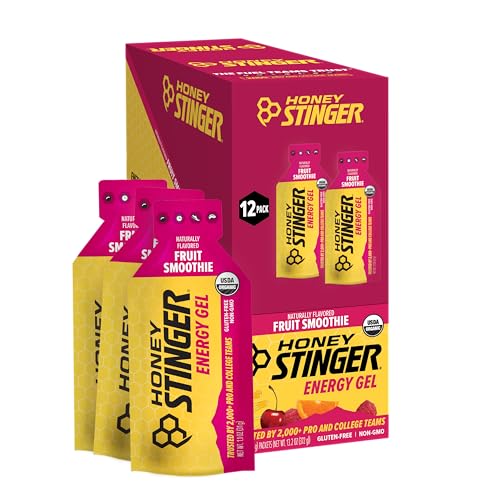
Honey Stinger Energy Gel
Caffeine-free gel comparison for runners who want a simpler flavor and ingredient lane.
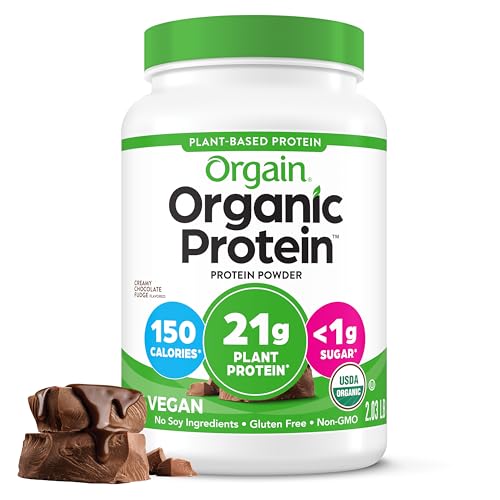
Orgain Organic Plant Protein
Plant-protein comparison for dairy-free routines. Check texture, sugar, and protein blend.

GU Hydration Tablets
Tablet format for runners who want to mix electrolytes into bottles before training.
StripeFit may earn a commission from qualifying Amazon purchases. Test race fuel, electrolytes, and protein products in normal training before relying on them for race day.
Before you buy: quick price + alternatives check
Use these links to compare current options and avoid overpaying.
StripeFit may earn a commission from some links. This never affects what we recommend.Get weekly gear picks that actually matter
One email a week. Best shoes, watches, and deals. No fluff.
By subscribing, you agree to receive emails from StripeFit. Unsubscribe anytime.Supplement decisions to compare next
Keep the claims conservative and compare serving size, ingredients, testing, price per serving, and whether the product fits your training.