By StripeFit Editorial TeamFirst published Updated
A beginner running gear checklist should make running feel simpler, not turn the first month into a shopping project. You do not need every gadget, vest, watch, belt, or recovery tool before your first run. You need shoes that fit, socks that do not cause blisters, weather-appropriate clothing, and enough safety gear for the routes and time of day you actually use.
The best beginner kit is built in layers. Start with the items that prevent discomfort or missed runs. Add hydration, visibility, storage, and tracking only when your routes, distance, or schedule make them useful. That approach saves money and keeps the focus on consistency.
Disclosure: This page contains affiliate links. If you buy through qualifying links, StripeFit may earn a commission at no extra cost to you.
Quick Answer
Buy running shoes and running socks first. Add a reflective vest or light if you run near traffic or in low light. Add a hydration belt, handheld bottle, or running vest when your route gets longer or warmer. A GPS watch, recovery tool, or premium clothing can wait until you know your routine.
| Beginner Need | Start With | Why It Matters |
|---|---|---|
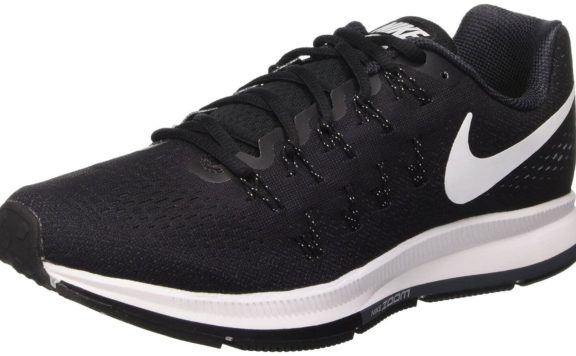
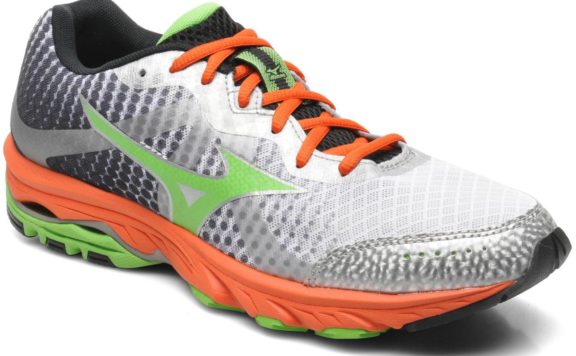
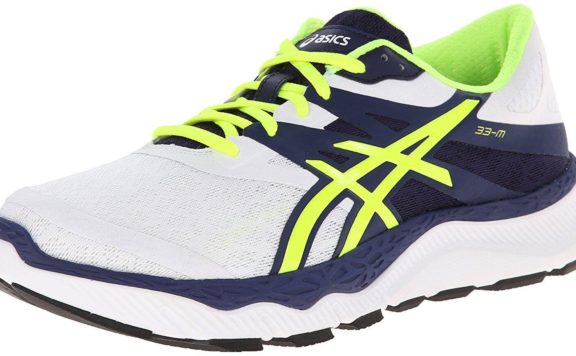
| Must-have foundation | Running shoes that fit | Shoes affect comfort, support, and whether the habit survives. |
| Must-have comfort | Running socks | Good socks reduce moisture, friction, and beginner blisters. |
| Low-light safety | Reflective running vest or light | Important if you run early, late, or near cars. |
| Longer outdoor routes | Hydration running vest | Useful when runs get longer, warmer, or less convenient for water stops. |
| Phone and key storage | Running belt or vest pocket | Prevents carrying a phone awkwardly in your hand. |
| Tracking later | GPS watch or app | Useful after the habit exists, but not required on day one. |
Audited Product Starting Points
These exact Amazon products came from the current product feed and passed the StripeFit relevance audit for this beginner accessory cluster. Always confirm size, color, price, and return policy before buying.
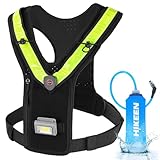
Hikeen Hydration Running Vest
A current starter-kit candidate when a new runner is moving into longer outdoor routes and wants hydration plus visibility.

RUNLIX Reflective Hydration Vest
A higher-feature starter vest candidate with hydration, reflective elements, lights, and phone storage.

PAPLUS Cushioned Ankle Compression Socks
Useful first check for beginners who want a multipack with cushioning and a heel tab.
How To Choose
Start with problems, not products. If your feet hurt, fix shoes and socks. If you skip runs because you cannot carry your phone, add storage. If you avoid early morning routes because cars cannot see you, add visibility. If you run out of water on longer routes, add hydration. Buy gear only when it removes a real friction point.
Beginner gear should be boring and repeatable. The best item is the one you can use three times per week without thinking about it. A simple sock multipack, a visible vest, or a belt that keeps your phone secure can matter more than a premium device.
Fit And Comfort Checks
Test gear on short runs first. A vest that bounces, a belt that rides up, or socks that bunch can make a longer run miserable. Adjust straps, phone position, bottle placement, and sock thickness before increasing distance. Comfort problems should be fixed early while the runs are still short.
Common Mistakes
The first mistake is overbuying before the habit exists. A beginner who buys too many tools can spend more time managing gear than learning the routine. Start small, run consistently, and let your actual route tell you what is missing.
The second mistake is underbuying safety. If you run in low light, visibility is not optional. A reflective vest, light, bright clothing, or a route away from traffic matters more than an advanced watch. Good gear should help you run again tomorrow, not just make today look organized.
How This Fits Your First Month
In month one, the foundation is shoes, socks, and simple clothing. Walk-run intervals are fine. You are trying to make running normal. Keep the setup easy enough that you can leave the house quickly. Complicated gear can wait.
After the first month, look at what actually limited you. Hot weather may point to hydration. Dark routes may point to lights. Longer distances may point to storage. Sore feet may point back to shoes, socks, or support. Upgrade from evidence, not impulse.
Best Buying Path
Start with beginner shoes and running socks. Add reflective gear if your route needs it. Add a hydration vest only when distance, heat, or water access makes it useful. Compare Hikeen or RUNLIX style vests if you need hydration plus visibility, and use the running socks guide for the low-cost comfort layer.
Internal Next Steps
Start with best running shoes for beginners, then use best running socks for beginners. If support is part of your shoe decision, read neutral vs stability running shoes. If you are building walking and running consistency with flat feet, read best walking shoes for flat feet.
FAQ
What running gear does a beginner actually need?
Most beginners need good shoes, running socks, and clothing that matches the weather. Add visibility, storage, hydration, and tracking only when your route or distance requires it.
Should beginners buy a running vest?
Not immediately. A vest helps when routes are longer, hotter, or need storage and visibility. For short neighborhood runs, shoes, socks, and simple safety gear usually matter more.
Is a GPS watch required for beginner running?
No. A phone app or simple timer can work at first. Buy a watch later if tracking helps you stay consistent and does not make the habit feel more complicated.
Comfort And Recovery Guides To Add Next
After shoes, socks, and hydration, these small comfort tools can prevent avoidable friction and make training easier to repeat.
| Runner Problem | Read Next | Best Starting Point |
|---|---|---|
| Thigh, strap, foot, or waistband rubbing | Best anti-chafe products for runners | Balm stick, cream, compact race-bag stick |
| Lower-leg comfort and sock rotation | Best compression socks for runners | Calf-height socks, multipacks, ankle compression socks |
| Simple post-run mobility routine | Best foam rollers for runners | Medium roller, compact roller, recovery kit |
Before you buy: quick price + alternatives check
Use these links to compare current options and avoid overpaying.
StripeFit may earn a commission from some links. This never affects what we recommend.Get weekly gear picks that actually matter
One email a week. Best shoes, watches, and deals. No fluff.
By subscribing, you agree to receive emails from StripeFit. Unsubscribe anytime.Where to go next
Use these current buying guides to compare fresher options, avoid dead stock, and keep the next click focused.