By StripeFit Editorial TeamFirst published Updated
Half marathon fueling is easy to overcomplicate. Some runners need one gel. Some need two. Some may do fine with sports drink and breakfast. The useful answer depends on pace, stomach, weather, and how well you practice.
A half marathon is long enough that fuel can matter, but short enough that too much experimentation can create more problems than it solves. The goal is a simple plan you can repeat in training.
Disclosure: This page contains affiliate links. If you buy through qualifying links, StripeFit may earn a commission at no extra cost to you.
Fuel note: This guide is general education, not medical advice or individualized sports-nutrition coaching. Practice fuel in training, check labels, and talk with a qualified clinician or sports dietitian if you have diabetes, gastrointestinal disease, food allergies, pregnancy, medication concerns, or a medical condition.
Quick Answer
For many half marathon runners, testing one gel around the middle of a long run is a practical starting point. Slower runners, hot-weather runners, or runners with longer time on feet may need a second fuel point. Practice with water and avoid new caffeine on race day.
| Runner Situation | Start With | Check Before Buying |
|---|---|---|
| First half marathon | One non-caffeinated gel test | Timing and water access |
| Two-hour plus finish | One to two fuel points | Total time on feet |
| Hot race | Fuel plus hydration plan | Sodium, water, carry setup |
| Sensitive stomach | Chew, isotonic gel, or sports drink | Texture and GI comfort |
Current Product Checks
Use these as shopping research links after you decide which fuel type fits your run. Confirm flavor, carbohydrate grams, caffeine, sodium, seller, expiration window, return policy, and whether the product is something you can test before race day.
StripeFit may earn from qualifying Amazon purchases.
Who This Guide Is For
This guide is for runners building a simple half marathon fuel routine without trying to copy a marathon plan.
It is especially useful for first-time half marathoners who are unsure whether one gel is enough or whether they need to carry water.
How To Choose The Right Fuel Type
Start from estimated finish time. A faster runner may need less mid-race fuel than a runner spending much longer on the course.
Then look at aid stations and weather. If water is frequent, a normal gel may be easy. If water is scarce, a handheld bottle, belt, or drink mix plan may be better.
Caffeine is optional. If you use it, test it on a workout that resembles race effort. Do not discover caffeine urgency at mile eight.
How To Test It Before Race Day
Use long runs as rehearsals. Try your first gel before you feel empty, then finish the run at a steady effort.
Practice packet opening, where you store it, and whether your hands get sticky. Race-day friction is real.
If your race has a product on course, test that exact product or bring your own fuel.
Common Mistakes
Do not wait until mile ten to take the first gel if you already feel depleted. Fuel is easier to use before the wheels come off.
Do not carry five products for a race that only needs a simple plan.
Do not assume sports drink and gel are separate. They both add carbohydrate and sometimes caffeine or sodium.
How This Fits Into The StripeFit System
Race fuel sits between hydration, supplements, gear, and training. A gel decision can affect which belt or vest you need, how much water you carry, whether caffeine disrupts sleep, and whether a race-day plan feels calm or chaotic. That is why this article links into the running supplements hub, hydration guides, and related fuel pages instead of treating gels as a random product list.
The commercial goal is straightforward: help the runner understand the decision first, then offer useful product checks. That is better for readers and better for long-term revenue than pushing every visitor to a single high-payout product.
For SEO and answer-engine visibility, each race-fuel page needs to be specific enough to answer one buyer question without pretending every runner has the same stomach, pace, budget, or course support. The safest pages say what to compare, who should skip the category, and how to test the product before it becomes part of a race plan.
Related StripeFit Guides
- Best hydration belts for half marathon training
- Best energy gels for runners
- Running electrolytes guide
- Race day supplements checklist
Sources Reviewed
These brand and product pages were reviewed for category facts such as product format, carbohydrate amounts, and product positioning. StripeFit still treats each runner’s tolerance as an individual training test.
More Gel Comparison Paths
Half-marathon readers often need a brand comparison after they settle the total gel count. Read the Maurten vs GU vs SIS energy gels guide when the next decision is brand, texture, or race-day tolerance instead of the broader fuel overview.
More Gel Comparison Paths
If the runner already knows the fuel count but wants the SIS lane next, send them there. Read the SIS running gels guide when the next decision is brand, texture, or race-day tolerance instead of the broader fuel overview.
FAQ
Do I need gels for a half marathon?
Not always. Many runners test one gel because it is simple and portable, but pace, finish time, breakfast, and aid stations matter.
When should I take a gel in a half marathon?
A common starting test is around the middle portion of the run, then adjust in training based on time, effort, and stomach comfort.
Should I carry water with gels?
Often yes. Some products are easier with water, and hydration matters more in heat or longer finish times.
Current Half-Marathon Fuel To Test
Half-marathon fuel should stay simple. Compare one or two easy products, test with water, and avoid brand-new caffeine on race day.
Health note: These are shopping checkpoints, not medical recommendations. Confirm label details, serving size, caffeine, sodium, allergens, expiration, seller quality, and return policy before buying. Ask a qualified clinician first if you have a medical condition, take medication, are pregnant, manage blood pressure, have kidney or heart concerns, or have food allergies.
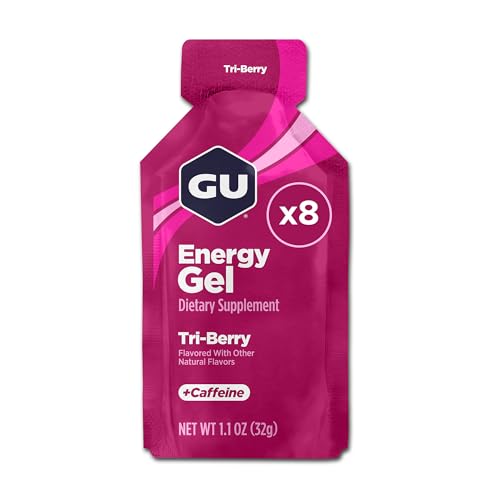
GU Energy Original Gel
Baseline gel comparison for runners who want a widely available first fuel test.
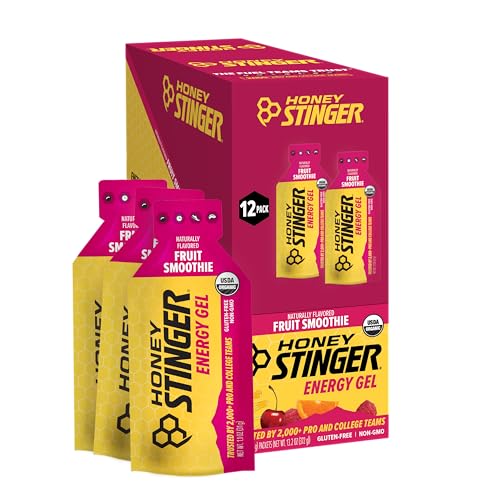
Honey Stinger Energy Gel
Caffeine-free gel comparison for runners who want a simpler flavor and ingredient lane.

Huma Chia Energy Gel
Real-food-style gel comparison when texture and stomach comfort are the main concerns.

GU Hydration Tablets
Tablet format for runners who want to mix electrolytes into bottles before training.
StripeFit may earn a commission from qualifying Amazon purchases. Test race fuel, electrolytes, and protein products in normal training before relying on them for race day.
Use these links to compare current options and avoid overpaying.Before you buy: quick price + alternatives check
Get weekly gear picks that actually matter
One email a week. Best shoes, watches, and deals. No fluff.
By subscribing, you agree to receive emails from StripeFit. Unsubscribe anytime.Supplement decisions to compare next
Keep the claims conservative and compare serving size, ingredients, testing, price per serving, and whether the product fits your training.