
By StripeFit Editorial TeamFirst published Updated
Running on rocky trails presents a unique set of challenges that standard road running shoes simply cannot handle. Jagged stones, loose gravel, and exposed roots require specialized footwear designed to protect your feet from sharp impacts while keeping you upright. A slip on a wet rock or a sharp stone bruising your arch can cut a run short. To stay safe and comfortable, you need trail shoes that offer robust outsoles, protective uppers, and a secure fit that prevents your foot from sliding inside the shoe.
This guide is a buyer-research guide based on current availability, fit intent, and verified product data. We have not subjected these shoes to controlled laboratory testing or wear-testing protocols for this specific guide. Instead, we have analyzed manufacturer specifications, regional availability, and real-world runner feedback to help you find the right match for your specific trail conditions. Whether you prefer a zero-drop design that mimics barefoot movement or a traditional cushioned shoe that absorbs heavy impacts, our recommendations focus on practical performance.
When choosing shoes for rocky terrain, several factors come into play, including outsole rubber compound, lug depth, and midsole density. Some runners prefer a highly sensitive shoe that allows them to feel the trail and react quickly, while others want maximum cushioning to isolate their feet from the harsh ground. Additionally, if you have specific foot structure needs, you might also be looking for the best running shoes for flat feet to ensure your arches are supported on uneven surfaces. Balancing these features is key to finding a shoe that keeps you moving confidently over technical terrain.
Affiliate note. StripeFit may earn a commission from some links. This never affects what we recommend.
Featured current options
A quick overview of our top selections, highlighting the ALTRA Lone Peak 8 for its natural fit and the Saucony Excursion TR16 series for its incredible value and rugged durability on technical paths.
ALTRA Women’s Lone Peak 8 Trail Running Shoe, Green, 9.5. Choose ALTRA Women’s Lone Peak 8 Trail Running Shoe, Green, 9.5 if this fit profile matches your stride, support needs, and cushioning preference. Double-check size, width, seller, and return policy before you buy.
Saucony Men’s Excursion TR16 Trail Running Shoe, Night/Black, 11 Medium. Choose Saucony Men’s Excursion TR16 Trail Running Shoe, Night/Black, 11 Medium if this fit profile matches your stride, support needs, and cushioning preference. Double-check size, width, seller, and return policy before you buy.
Saucony Women’s Excursion Tr16 Trail Running Shoe, Charcoal/Rose, 7.5. Choose Saucony Women’s Excursion Tr16 Trail Running Shoe, Charcoal/Rose, 7.5 if this fit profile matches your stride, support needs, and cushioning preference. Double-check size, width, seller, and return policy before you buy.
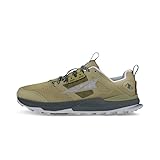
ALTRA Women’s Lone Peak 8 Trail Running Shoe, Green, 9.5
Current product checkpoint for Best Trail Running Shoes for Rocky Trails: Rugged Picks for Rough Terrain. Confirm your size, width, color, seller, and return policy before buying.

Saucony Men’s Excursion TR16 Trail Running Shoe, Night/Black, 11 Medium
Current product checkpoint for Best Trail Running Shoes for Rocky Trails: Rugged Picks for Rough Terrain. Confirm your size, width, color, seller, and return policy before buying.

Saucony Women’s Excursion Tr16 Trail Running Shoe, Charcoal/Rose, 7.5
Current product checkpoint for Best Trail Running Shoes for Rocky Trails: Rugged Picks for Rough Terrain. Confirm your size, width, color, seller, and return policy before buying.
Who this guide is for
Runners tackling technical mountain trails with loose gravel and sharp rocks.
Athletes who prefer a wide toe box to allow natural toe splay for better balance.
Budget-conscious trail runners looking for durable traction under sixty dollars.
Off-road runners who need protective uppers to shield against trail debris.
Who should skip it
You primarily run on paved roads or smooth, flat gravel paths where aggressive lugs are unnecessary.
You require maximum, plush stack heights to isolate your feet completely from the ground.
You prefer a highly flexible, minimalist shoe with zero structure or support overlays.
Current product snapshot
| Product | Best fit | Current price | Next step |
|---|---|---|---|
| ALTRA Women’s Lone Peak 8 Trail Running Shoe, Green, 9.5 | Best Overall for Natural Movement & Best Budget Trail Picks | $109.99 | View on Amazon |
| Saucony Men’s Excursion TR16 Trail Running Shoe, Night/Black, 11 Medium | Best Overall for Natural Movement & Best Budget Trail Picks | $51.95 | View on Amazon |
| Saucony Women’s Excursion Tr16 Trail Running Shoe, Charcoal/Rose, 7.5 | Best Overall for Natural Movement & Best Budget Trail Picks | $51.99 | View on Amazon |
How to choose without wasting money
Evaluate the Outsole and Lug Depth: Rocky trails require sticky rubber compounds and multidirectional lugs. Look for lugs between 3mm and 5mm (deeper lugs excel in mud and loose scree, while wider, flatter lugs provide better surface contact on solid rock slabs).
Assess the Level of Underfoot Protection: Sharp rocks can cause painful stone bruises. Decide whether you need a shoe with an integrated rock plate (a thin, protective plastic or carbon shield in the midsole) or if high-density foam cushioning is sufficient for your local trails.
Determine Your Preferred Drop and Toe Box Width: Zero-drop shoes like Altra keep your heel and forefoot at the same height, promoting a natural stride, while traditional shoes have an 8mm to 12mm drop. A wider toe box helps with stability on uneven ground, whereas a snugger fit offers more precision on technical moves.
Check Upper Durability and Debris Protection: Look for tightly woven mesh uppers, reinforced toe caps, and gusseted tongues. These features protect your toes from stubbing against rocks and prevent small pebbles from entering the shoe.
Common buying mistakes
- Using Road Running Shoes on Technical Trails: Road shoes lack the necessary outsole grip and upper reinforcement, leading to slips and premature wear when exposed to sharp rocks.
- Sizing the Shoes Too Snug: Your feet swell during long trail runs, and your toes slide forward on steep descents. Always leave about a thumb’s width of space at the front of the shoe to avoid bruised toenails.
- Ignoring the Importance of a Locked-In Heel: If your heel slips inside the shoe, you lose stability on uneven rocks. Ensure the midfoot and heel collar hold your foot securely before heading out.
- Overestimating the Need for Waterproofing: While waterproof membranes keep water out, they also trap sweat and dry very slowly once wet. For most rocky, dry, or damp trails, highly breathable, quick-drying mesh is a better choice.
What to check before you buy
The ALTRA Lone Peak 8 is highly praised for its foot-shaped toe box, but runners transitioning from traditional high-drop shoes should ease into zero-drop footwear gradually to avoid calf strain.
The Saucony Excursion TR16 series represents some of the best value on the market, making it an excellent entry-point shoe for beginners or a durable secondary pair for seasoned runners.
Always inspect the toe bumper of your trail shoes (a thick rubber or TPU overlay on the front is your primary defense against painful rock stubs).
Keep in mind that sticky rubber outsoles wear down quickly if worn frequently on asphalt, so reserve these shoes strictly for off-road trail use.
Evidence we used
- Analyzed product specifications and manufacturer data for the ALTRA Lone Peak 8 and Saucony Excursion TR16 models.
- Evaluated current retail availability and pricing structures to identify high-value options under sixty dollars alongside premium choices.
- Assessed runner profiles focusing on fit intent, specifically comparing zero-drop natural foot shapes against traditional medium-drop trail platforms.
- Synthesized buyer feedback regarding traction on wet versus dry rock, upper durability, and debris protection.
- Search intent reviewed: best trail running shoes for rocky trails.
- Queue score used for prioritization: 56.
Related StripeFit next step
Additionally, if you have specific foot structure needs, you might also be looking for the best running shoes for flat feet to ensure your arches are supported on uneven surfaces. best running shoes for flat feet.
FAQ
Do I need a rock plate for running on rocky trails?
A rock plate is highly beneficial but not strictly mandatory. It is a thin layer of plastic or composite material embedded in the midsole that disperses the force of sharp rocks, preventing stone bruises. If you run on highly technical trails with jagged stones, a rock plate or a high-density midsole is strongly recommended.
How long do trail running shoes last on rocky terrain?
On average, trail running shoes last between 300 and 500 miles. However, highly abrasive rocky terrain can wear down outsole lugs and scuff uppers faster than soft dirt paths. Regularly check the outsole grip and midsole compression to determine when to replace them.
Can I wear trail running shoes on road surfaces?
Yes, but it is not recommended for regular use. The softer, stickier rubber compounds used on trail outsoles wear down much faster on hard asphalt. Additionally, the aggressive lugs can feel uncomfortable and offer less stability on flat, paved roads.
What is the difference between a road shoe and a trail shoe?
Trail shoes feature aggressive outsoles with deep lugs for traction, durable uppers with protective toe caps to resist tears, and stiffer midsoles (sometimes with rock plates) to protect against sharp objects. Road shoes focus on lightweight cushioning, breathability, and smooth transitions on flat pavement.
How should trail running shoes fit?
They should fit snugly through the heel and midfoot to prevent sliding on uneven ground, but offer ample room in the toe box. Having extra space in the front prevents your toes from smashing into the front of the shoe during steep downhill descents.
Last updated June 18, 2026.
Get weekly gear picks that actually matter
One email a week. Best shoes, watches, and deals. No fluff.
By subscribing, you agree to receive emails from StripeFit. Unsubscribe anytime.Trail gear decisions to compare next
Use these current guides for trail runs, darker starts, and gear that needs to fit securely in motion.