By StripeFit Editorial TeamFirst published Updated
Current stability replacement guide
Evidence used for this update
Evidence We Used
- This is a legacy support-shoe review, so the page now helps readers move from the old Structure 18 model to current support options instead of treating the retired shoe as a fresh buy.
- The current Nike replacement path still matters here, because the real question is whether a reader wants Nike stability again or should compare current support shoes from other brands.
- Related routes for support, overpronation, and flat-feet shoppers help narrow the next step when the decision is really about foot shape and daily comfort, not model nostalgia.
- The buyer variables that matter most are support level, fit, cushioning, price, return policy, model age, and whether the shoe needs to handle daily training use.
- That is why this page stays focused on practical replacement guidance, current availability, and fit checks before anyone considers old stock.
Short Answer: Start With Structure 26, Then Check Adrenaline, GT-2000, And Kayano
Nike Structure 26 is the first comparison when a reader is really looking for a current Nike stability shoe. If Nike fit is not the answer, compare Brooks Adrenaline GTS 25, ASICS GT-2000 14, and ASICS GEL-Kayano 32 for broader support and cushion checks.
Do not buy old Structure 18 inventory just because the name is familiar. The decision is about support feel, fit, width, return policy, and whether the shoe solves the underlying stability need.
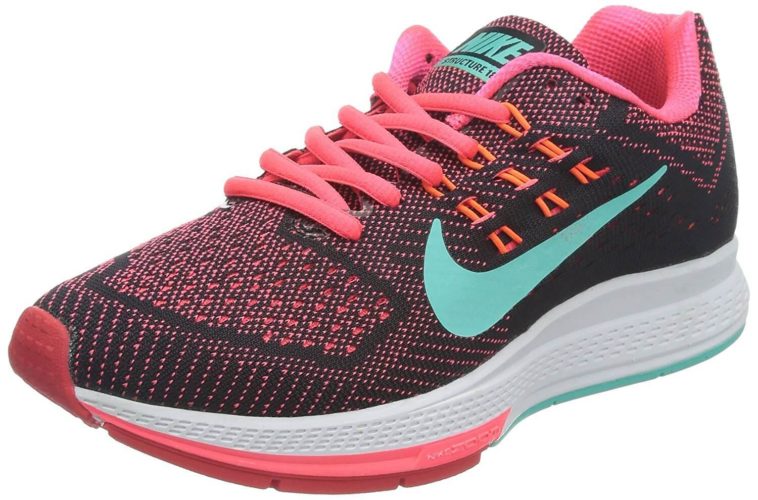
The Nike Air Zoom Structure 18 was a stability road shoe for runners who wanted moderate support, a firmer planted ride, and a dependable trainer for everyday miles. It made sense for overpronation, low arches, flat feet, treadmill use, and runners who wanted a traditional supportive Nike feel instead of a soft neutral shoe.
If you are searching for Nike Air Zoom Structure 18 today, treat it as a legacy support reference rather than a shoe to chase in old inventory. The current Nike Structure line is still the first brand-family check. If that fit or price is not right, ASICS GT-2000 14, ASICS GEL-Kayano 32, Brooks Adrenaline GTS, New Balance 860, Saucony Guide, and HOKA Arahi are the cleaner current comparisons.
Nike Air Zoom Structure 18 Replacement: Current Stability Running Shoes
Short answer: Most Nike Structure 18 shoppers should compare Nike Structure 26 first, then decide whether they want firm support, soft cushion, or a neutral daily trainer.
Current replacement answer
Nike Structure 18: Buy The Current Stability Route First
Short answer: Start with Nike Structure 26 if you want the closest current Nike support-shoe route. If Nike fit is not the answer, compare Brooks Adrenaline GTS 25, ASICS GT-2000 14, and ASICS GEL-Kayano 32 before paying for old Structure 18 stock.
Current replacement path: Nike Structure 26 first, then Brooks Adrenaline GTS 25, ASICS GT-2000 14, and ASICS GEL-Kayano 32.
Affiliate disclosure: StripeFit may earn a commission from qualifying purchases. This disclosure appears before the first affiliate CTA.
Related buying path
Need the broader support shortlist?
If the Structure question turns into arch support or low-arch comfort, use current running shoes for flat feet to compare support feel, width, cushion, model freshness, and return-risk before buying one replacement shoe.
Evidence We Used
- The 2026-06-25 revenue action queue ranked this target as a click-winner or distribution candidate with existing impressions or affiliate-click signal.
- The 2026-06-25 internal-link brief named this source page as a relevant route into the target money page.
- This batch adds internal routing only and does not change product cards, affiliate URLs, disclosure placement, or schema.
Current product comparison
Use this compact product section to compare the current Structure 18 replacement lane without drifting into old-stock browsing.
Nike Structure 26
Closest current Nike stability path for readers who want a familiar support-shoe lane.
Best for: Nike shoppers who want current support and a direct replacement path.
Brooks Adrenaline GTS 25
Stable daily-training alternative for readers comparing current support options.
Best for: All-day support with a known stability lineup.
ASICS GT-2000 14
Current support-shoe comparison when the Structure search is really about steady guidance.
Best for: Readers who want a structured daily trainer with a current stability option.
ASICS GEL-Kayano 32
Higher-support comparison point when the buyer wants a current premium stability route.
Best for: Readers who want more support in the current ASICS lane.
Comparison child: Brooks Adrenaline vs ASICS Kayano
Check current Structure 26 price
Support cluster routes: Use the flat-feet hub when the buyer needs width and support context, the overpronation hub when inward roll is the main decision, and the stability hub when the reader wants the broader current-stability lane first.
Evidence used for this update
- The latest daily-loop report still flags Structure 18 as a legacy module refresh candidate, with 10 impressions and 3 affiliate clicks on the page.
- The latest opportunity score keeps the URL in the top ten and labels it an indexing_traction_but_low_rank plus affiliate_click_signal page.
- The revenue report shows 552 pages, 735 GSC rows, 33 affiliate clicks, and usable click tracking coverage over 21 days.
- The top cluster action now points at the flat-feet page, so this page should hand off readers to the support cluster instead of holding them in a legacy-only lane.
- Current replacement URLs for Nike Structure 26, Brooks Adrenaline GTS 25, ASICS GT-2000 14, and ASICS GEL-Kayano 32 already exist in local StripeFit validation artifacts.
Structure 18 searches usually mean an older Nike support shoe or a familiar stability feel. Current Nike Structure models are the closest Nike path, while ASICS and Brooks are useful if Nike fit has changed too much.
| Search intent | Current path | Best fit |
|---|---|---|
| Closest Nike support path | Nike Structure 26 | Best first check for current Nike stability intent. |
| Soft Nike cushion path | Nike Vomero 18 | Good if you need comfort more than guidance. |
| Neutral Nike daily path | Nike Pegasus | Useful if you no longer need a stability shoe. |
| Guided comfort path | Nike InfinityRN | Compare if you want softer easy-run guidance. |
| Cross-brand support path | ASICS GT-2000 | Worth checking if Nike support fit is not enough. |
Structure Replacement Buying Checks
- Choose Structure 26 if stability is the reason you searched.
- Choose Pegasus only if a neutral shoe now feels stable enough.
- Avoid old Structure 18 stock unless foam age, outsole condition, and returns are clear.
Next: compare Structure vs GT-2000, overpronation running shoes, and flat-feet running shoes.
Quick Verdict
Treat Structure 18 as a legacy support-shoe reference. Start with the current Nike Structure line if you already like Nike fit. Move to GT-2000 if you want moderate stability, Kayano if you want more cushioning and structure, Adrenaline if you want a dependable cross-brand daily trainer, and 860 or Guide if width or fit drives the choice more than brand.
Most buyers should skip old Structure 18 pairs unless they are clearly new, cheap, and easy to return. Stability shoes lose value quickly when foam ages, the platform tilts, or the upper no longer holds the foot correctly. That matters even more if you rely on support for flat feet or overpronation.
Who Nike Air Zoom Structure 18 Made Sense For
Structure 18 worked for runners who wanted a traditional support trainer that could handle easy runs, longer road miles, and walking without feeling like a motion-control brick. It was especially appealing to runners who liked Nike fit but needed more guidance than Pegasus-style neutral shoes could offer.
The modern replacement depends on what you actually liked. If you liked the moderate support category, GT-2000 and current Nike Structure belong at the top. If you wanted more cushioning, Kayano, Glycerin GTS, or 860 are better comparisons. If you mainly used Structure for walking or long work shifts, stability plus fit and width matter more than pure running speed.
Current Alternatives
| Need | Start with | Why |
|---|---|---|
| Moderate daily stability | Nike Structure or ASICS GT-2000 14 | Closest lane for runners who liked a straightforward support trainer. |
| More cushion and protection | ASICS GEL-Kayano 32 | Better when Structure 18 felt too firm or you want more support under fatigue. |
| Reliable cross-brand support | Brooks Adrenaline GTS | Strong daily-trainer comparison if Nike fit is inconsistent for you. |
| Width or fit-first support | New Balance 860 or Saucony Guide | Useful if support matters but brand fit is the real buying problem. |
Current Support Shoe Starting Points
These exact current products come from the StripeFit support-shoe product set already being used on active flat-feet and overpronation pages. They are better buying starting points than chasing old Structure 18 stock.
How To Choose The Right Replacement
Start by asking whether you need support or simply stability from a broad platform. If your old shoes wore heavily on the inside edge, your arches collapse when tired, or your knees feel better in support shoes, stay in the stability lane. If you only liked Structure because it felt secure, a stable neutral shoe may also be worth trying after you compare the main support options.
Support should feel guided, not forced. A good replacement keeps your foot feeling centered without digging into the arch or squeezing the forefoot. Test heel hold, forefoot width, and whether the shoe still feels good after a few minutes of walking, not just the first step. Flat feet and wider feet often need width or room as much as they need posting or guidance.
Flat Feet And Walking Notes
For flat feet, the smartest next click is not random old Nike stock. It is a broader comparison across current support shoes. That is why this page now points directly to the flat-feet hub, overpronation guide, and a few current support benchmarks. If you are also walking a lot, choose comfort and width before chasing a model name that only worked years ago.
What To Check Before Buying Old Stock
Check foam rebound, outsole wear, upper shape, insole condition, and return policy. Avoid old pairs if the midsole looks compressed, the outsole is dry or peeling, or the price is close to a current GT-2000, Structure, Adrenaline, or 860. Stability shoes need a stable platform. Old stock is often the opposite of that.
Best Buying Path
Start with the current Nike Structure line if you trust Nike fit. Compare GT-2000 14 for moderate ASICS support, Kayano 32 for a more cushioned premium path, Adrenaline GTS for dependable everyday support, and 860 or Guide when width and fit matter most. Use the flat-feet hub if you want the broader decision tree first.
Internal Next Steps
Use the flat-feet guide for the best current support options across brands. Compare the overpronation guide if support is the core issue. Read the ASICS GEL-Fortify guide, Saucony Omni 13 guide, and ASICS GT-1000 3 guide for adjacent legacy support paths.
Need the broader flat-feet support shortlist?
If the Structure 18 replacement question is really about low arches, support feel, and current stability choices, compare current running shoes for flat feet before deciding whether a Nike Structure successor, Adrenaline, GT-2000, or Kayano-style option is the safer starting point.
Evidence We Used
- The 2026-06-25 revenue action queue ranked the flat-feet guide first with 27 impressions and 3 affiliate clicks.
- The internal-link brief named this source page as a recommended route into the flat-feet money hub.
- Pre-change live page audit passed, so this batch adds routing only and leaves product cards, disclosure, affiliate URLs, and schema untouched.
Related buying path
Road stability is not the same trail decision
If the route moves from road support into trail traction or old-stock risk, compare current ASICS GEL-Kahana 8 alternatives before using a road stability shoe as the fallback.
Evidence We Used
- The 2026-06-30 internal-link brief named this source page as a route into a money page with impressions, affiliate-click signal, or distribution value.
- The route supports a specific buyer decision instead of adding a generic related-post link.
- This batch changes internal routing only; product cards, affiliate URLs, disclosure placement, title/meta, and schema stay unchanged.
Related buying path
Check the neutral cushion lane before leaving support shoes
If the Structure search turns into a current neutral daily-trainer decision, use the Novablast 6 vs Novablast 5 buying decision to compare cushion feel, support tradeoffs, model age, and current availability.
Evidence We Used
- The 2026-07-02 internal-link brief named this source page as a route into a money page with impressions, affiliate-click signal, or distribution value.
- The route supports a specific buyer decision instead of adding a generic related-post link.
- This batch changes internal routing only; product cards, affiliate URLs, disclosure placement, title/meta, and schema stay unchanged.
FAQ
Is Nike Air Zoom Structure 18 still worth buying?
Usually no. Current stability shoes are easier to size, easier to return, and more trustworthy underfoot than old Structure 18 inventory.
What replaced Nike Air Zoom Structure 18?
The current Nike Structure line is the family replacement. GT-2000 14, GEL-Kayano 32, Brooks Adrenaline GTS, New Balance 860, Saucony Guide, and HOKA Arahi are the main cross-brand comparisons.
Who should shop this support-shoe lane now?
This lane fits runners and walkers who need current support for flat feet, overpronation, or daily comfort. It is not the best lane for someone who wants a soft neutral trainer or a fast race shoe.
Before you buy: quick price + alternatives check
Use these links to compare current options and avoid overpaying.
StripeFit may earn a commission from some links. This never affects what we recommend.Get weekly gear picks that actually matter
One email a week. Best shoes, watches, and deals. No fluff.
By subscribing, you agree to receive emails from StripeFit. Unsubscribe anytime.Current running shoe buying paths
Compare modern daily trainers, support shoes, lightweight options, and cushion shoes before chasing old stock.