By StripeFit Editorial TeamFirst published Updated
Whey vs plant protein for runners is not a moral contest. It is a fit question. Both can support a runner who needs convenient protein after training. The better choice depends on digestion, diet, taste, budget, and whether the label gives you a useful protein dose without unnecessary extras.
Whey is popular because it mixes well and usually provides a strong protein dose. Plant protein is popular because it avoids dairy and can fit vegan or dairy-sensitive diets. Runners should choose the powder that they can use consistently without stomach drama.
Disclosure: This page contains affiliate links. If you buy through qualifying links, StripeFit may earn a commission at no extra cost to you.
Health note: This guide is general education, not medical advice. Talk with a qualified clinician before using supplements if you have a medical condition, take medication, are pregnant, manage blood pressure, or suspect a deficiency.
Quick Answer
Choose whey if you tolerate dairy and want a simple, common post-run protein. Choose plant protein if you avoid dairy, eat vegan, or simply digest it better. Compare protein grams, ingredient list, sweeteners, texture, third-party testing, and cost per serving before buying.
| Runner Situation | Practical Starting Point | What To Check |
|---|---|---|
| Dairy tolerant | Whey isolate or blend | Lactose tolerance and texture |
| Dairy-free or vegan | Plant protein blend | Source mix and grittiness |
| Sensitive stomach | Small serving test first | Sweeteners and additives |
Current Buying Checks
Use these as research starting points. Confirm serving size, ingredients, third-party testing, price, return policy, and whether the product fits your diet before buying.
StripeFit may earn a commission from qualifying Amazon purchases.
How To Think About This As A Runner
Whey often wins on mixability and texture. It can be easy in a shaker bottle and blends well into smoothies. The tradeoff is that some runners dislike dairy or do not tolerate it well after hard training.
Plant protein can fit more diets, but texture varies widely. Some blends are smooth and easy. Others are gritty or earthy. A good plant powder should still make the protein amount clear and avoid pretending that a long list of extras automatically makes it better.
Who This Guide Is For
This guide is for runners who are trying to make a practical decision, not chase a miracle product. If you are comparing whey vs plant protein for runners, start with your actual training week: how long you run, how hot the conditions are, how often you lift, whether you race, and whether regular meals already cover most of the need. A supplement should make a routine easier to execute. It should not become the routine.
It is also for runners who want to avoid buying the wrong category. A hydration product will not replace fuel. A protein product will not fix poor sleep. A recovery product will not make up for a training load that jumped too fast. The useful question is narrow: what job does this product do, and is that job actually missing from your current setup?
Buying Criteria
Look for protein per serving first, then ingredient simplicity. If you choose plant protein, blends such as pea plus rice are common because they can balance amino acid profiles better than some single-source options.
If you compete, look for testing. If you have allergies, read labels closely. Plant products may still contain allergens or be produced in facilities with cross-contact risks.
How StripeFit Compares Products
StripeFit looks at the label before the lifestyle claim. That means serving size, active ingredients, sodium, carbohydrate, caffeine, protein grams, sweeteners, allergens, third-party testing, price per serving, and return policy matter more than a dramatic before-and-after promise. For Amazon listings, we also treat seller quality and recent availability as part of the buying decision because stale listings and confusing bundles can waste money.
For direct-brand offers, the same standard applies. A higher affiliate payout does not make a product a better fit. Before a supplement gets a primary recommendation, the page needs a clear runner use case, conservative claims, visible disclosure, and a product page that does not lean on disease, cure, guaranteed weight-loss, or guaranteed performance language.
Common Mistakes
Do not assume plant means healthier for every runner. A plant powder can still be loaded with sweeteners or hard to digest. Judge the actual label.
Do not assume whey is only for lifters. Runners can use whey as a simple protein source if it fits their stomach and diet.
How To Use It In Training
Test the powder after an ordinary workout before using it after a race or very hot long run. Digestion can change when the body is stressed.
Pair the protein with carbohydrate after demanding sessions. A shake with fruit, oats, toast, or a real meal can make more sense than protein alone.
A Simple Testing Plan
Use a three-run test before trusting any new supplement on race day. First, try it on an easy day where the stakes are low. Second, try it on a medium-long run or normal workout so you can see how it behaves under moderate stress. Third, try it in the closest realistic version of the situation you are buying for, such as a warm long run, a morning workout, a travel day, or a post-lift recovery meal.
Keep the rest of the routine stable during the test. Do not change breakfast, shoes, caffeine, pace, and supplement all at once. If something feels off, you need to know which variable caused it. The best supplement for a runner is often the one that disappears into the routine because it is easy to use, easy to tolerate, and easy to repeat.
Related StripeFit Guides
FAQ
Is plant protein worse than whey for runners?
Not automatically. Whey and plant protein can both be useful if the product fits your diet and provides enough protein.
Which is easier to digest?
It depends on the runner and the product. Dairy-sensitive runners may prefer plant protein, while others find whey isolate easier.
Can I switch between whey and plant?
Yes. Many runners use whichever option fits the meal, travel, or stomach that day.
Current Whey And Plant Protein Products To Compare
Compare protein products by protein type, digestion, allergens, sweeteners, texture, serving cost, and whether the product fits your real post-run routine.
Health note: These are shopping checkpoints, not medical recommendations. Confirm label details, serving size, caffeine, sodium, allergens, expiration, seller quality, and return policy before buying. Ask a qualified clinician first if you have a medical condition, take medication, are pregnant, manage blood pressure, have kidney or heart concerns, or have food allergies.
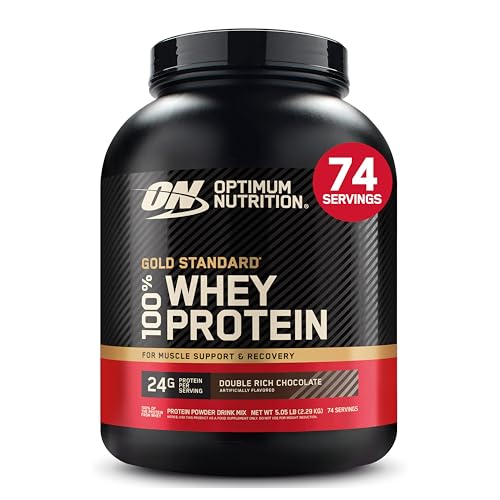
Optimum Nutrition Gold Standard Whey
Common whey benchmark for protein per scoop, mixability, flavor, and seller authenticity.

Dymatize ISO100
Whey isolate comparison for runners who want a lighter post-run protein option.
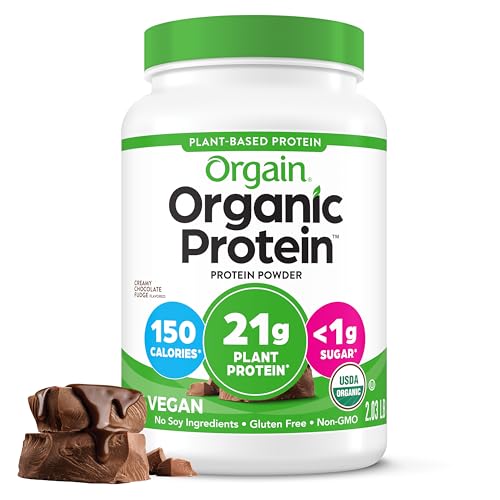
Orgain Organic Plant Protein
Plant-protein comparison for dairy-free routines. Check texture, sugar, and protein blend.
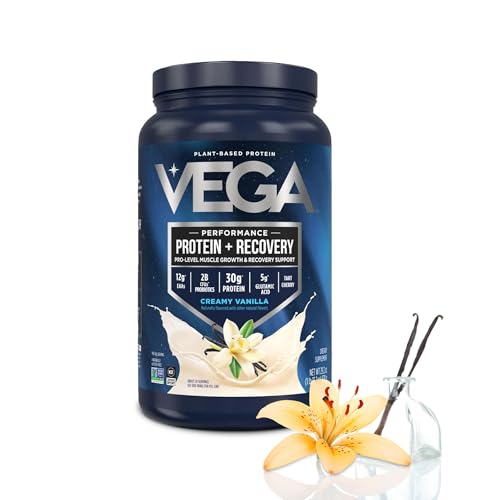
Vega Sport Premium Protein
Sport-positioned plant-protein option for runners comparing dairy-free recovery products.
StripeFit may earn a commission from qualifying Amazon purchases. Test race fuel, electrolytes, and protein products in normal training before relying on them for race day.
Before you buy: quick price + alternatives check
Use these links to compare current options and avoid overpaying.
StripeFit may earn a commission from some links. This never affects what we recommend.Get weekly gear picks that actually matter
One email a week. Best shoes, watches, and deals. No fluff.
By subscribing, you agree to receive emails from StripeFit. Unsubscribe anytime.Supplement decisions to compare next
Keep the claims conservative and compare serving size, ingredients, testing, price per serving, and whether the product fits your training.