By StripeFit Editorial TeamFirst published Updated
The best foam roller for runners is the one you will actually use. A roller can be part of a warm-up, cooldown, mobility routine, or evening recovery habit, but only if it fits your space, pressure tolerance, and routine. A roller that is too painful gets ignored. A roller that is too soft may not feel useful. The right starting point is practical, not extreme.
Foam rolling is a comfort and mobility tool, not a cure-all. If pain is sharp, persistent, or worsening, get qualified help. For normal runner gear decisions, choose a roller that helps you build a repeatable routine around calves, quads, hamstrings, glutes, and upper back without turning recovery into a complicated project.
Disclosure: This page contains affiliate links. If you buy through qualifying links, StripeFit may earn a commission at no extra cost to you.
Quick Answer
Start with a medium-density smooth or lightly textured roller if you are new. Choose a compact roller if storage or travel matters. Choose a kit if you want bands, massage balls, and multiple tools in one purchase. Avoid extremely hard rollers at first unless you already know you like high pressure.
| Runner Need | Start With | Why It Helps |
|---|---|---|
| First recovery kit | Foam roller set | Good when you want a roller plus simple accessories in one purchase. |
| Firmer texture | Krightlink foam roller | A candidate for runners who prefer a firmer, textured feel. |
| Small-space option | Gaiam compact foam roller | Useful for apartments, travel, or runners who do not want a full-size roller. |
| Beginner pressure | Medium-density roller | Less intimidating than very hard rollers. |
| Targeted foot or glute work | Massage ball add-on | Helpful when a full roller is too broad for the target area. |
Audited Product Starting Points
These exact Amazon products came from the current product feed and passed the StripeFit relevance audit for this runner comfort and recovery cluster. Confirm size, ingredients, use instructions, price, and return policy before buying.
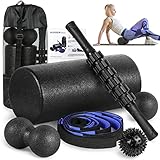
Foam Roller Set
A multi-tool starting point for runners who want a roller plus simple mobility accessories in one kit.

Krightlink Foam Roller
A compact textured roller candidate for runners who want a firmer feel than a smooth basic roller.
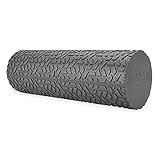
Gaiam Restore Compact Foam Roller
A compact roller option for small spaces, travel, and runners who do not want a full-size roller.
How To Choose
Choose pressure level before choosing style. Beginners usually do better with moderate pressure because the goal is consistency. If a roller makes you tense up or hold your breath, it is too aggressive for that use. A firmer textured roller can be useful later, but it should not be the first tool if it makes the routine unpleasant.
Choose size by where you will use it. A full-size roller is more comfortable for larger muscle groups and easier for upper-back work. A compact roller is easier to store and travel with. A kit can be useful if you want bands and balls, but only if those tools will not sit unused in a closet.
Fit, Skin, And Use Checks
Try short sessions first. Roll slowly, avoid sharp pain, and keep pressure manageable. Test calves, quads, hamstrings, glutes, and upper back separately. If a body area feels irritated afterward instead of relaxed, reduce pressure, shorten the session, or use a softer tool.
Common Mistakes
The first mistake is treating foam rolling as punishment. More pain does not mean better recovery. A roller should help you relax into the routine. If every session feels like a fight, you will stop using it.
The second mistake is buying too many recovery tools before building the habit. A simple roller used three times per week beats an advanced kit that stays in the box. Start with one tool, then add only what solves a specific limitation.
How This Fits Training
For beginners, pair foam rolling with a habit that already exists. Use it after a shower, after an easy run, or before stretching. Keep sessions short enough to repeat. The goal is not a perfect recovery protocol. The goal is a routine that you can maintain.
For long-run blocks, foam rolling can be one part of recovery alongside sleep, easy days, sensible mileage, and strength work. It should not be used to push through worsening pain. Gear supports training, but it does not replace smart load management.
Best Buying Path
Start with a moderate foam roller or kit if you want the broadest first purchase. Compare Krightlink if you want more texture and Gaiam compact if space is limited. Add massage balls or bands later only if you know the exact routine you want.
Internal Next Steps
If friction is stopping long runs, read best anti-chafe products for runners. If lower-leg comfort is the issue, read best compression socks for runners. If you are building the whole starter kit, see beginner running gear checklist.
FAQ
Should runners use a smooth or textured foam roller?
Beginners often do better with smooth or lightly textured rollers. Textured rollers can feel firmer and more intense, which some runners like after they know their pressure tolerance.
How long should runners foam roll?
Short, consistent sessions are usually better than long painful ones. Start with a few minutes and adjust based on comfort and how your body responds.
Can foam rolling fix running injuries?
No. Foam rolling can support comfort and mobility for some runners, but persistent or sharp pain should be evaluated by a qualified professional.
Runner recovery tool decision
Which Foam Roller Should Runners Buy First?
Best first move: start with a roller you will use consistently, not the most aggressive texture.
Foam rollers are recovery tools, not magic injury fixes. The right one should fit your tolerance, routine, and storage space.
How To Choose A Foam Roller
Most runners should start with a medium-density smooth or lightly textured roller. Very firm rollers can feel productive, but they are easy to overdo if you are new to rolling.
Choose size by use case. A full-size roller is better at home, while a compact roller is easier for travel, gym bags, and race weekends.
What To Compare Before Buying
- Density: Too soft may feel useless, while too firm may discourage regular use.
- Texture: Deep knobs are not automatically better for sore legs.
- Length: Longer rollers are more stable for home routines.
When To Skip Foam Rolling
Skip aggressive rolling over sharp pain, acute injuries, unexplained swelling, or symptoms that need medical evaluation. Recovery tools should not replace qualified care.
Next Internal Recovery Checks
Best compression socks for runners, Protein powder after running, Recovery shake after long run. These links keep the buying path moving before readers leave for Amazon.
Before you buy: quick price + alternatives check
Use these links to compare current options and avoid overpaying.
StripeFit may earn a commission from some links. This never affects what we recommend.Get weekly gear picks that actually matter
One email a week. Best shoes, watches, and deals. No fluff.
By subscribing, you agree to receive emails from StripeFit. Unsubscribe anytime.Where to go next
Use these current buying guides to compare fresher options, avoid dead stock, and keep the next click focused.