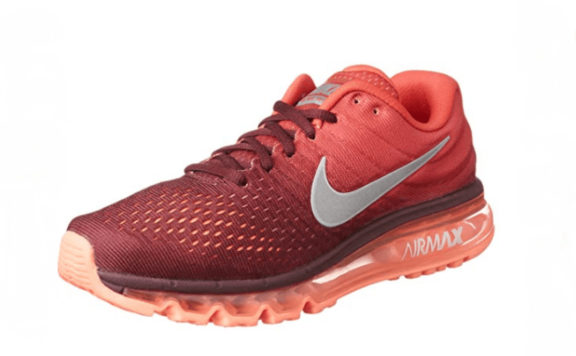
Best Running Shoes for Wide Flat Feet in 2026

Wide flat feet create two separate shopping problems. You may need support because the foot collapses inward, but you also need enough room through the forefoot and midfoot. A narrow stability shoe can feel supportive for five minutes and miserable after three miles.

The best starting point is not the stiffest shoe. It is a shoe that comes in the right width, holds the heel, gives the arch some guidance, and leaves enough room for your toes to spread. Current support shoes with wide or extra-wide options should be first on the list.

Disclosure: This page contains affiliate links. If you buy through qualifying links, StripeFit may earn a commission at no extra cost to you.

Quick Answer

Start with New Balance 860v14 if width choice is the top priority, Brooks Adrenaline GTS 25 if you want a proven support shoe with broad availability, Saucony Guide 18 if you want a stable daily trainer with wide options, and ASICS GEL-Kayano 32 if you want plush support with wide sizing.

Runner Need Start With Why It Belongs On The List
Best width-first support pick New Balance Fresh Foam X 860v14 New Balance is often the easiest brand to compare in multiple widths.
Reliable wide stability Brooks Adrenaline GTS 25 A dependable support shoe with wide sizing and a familiar daily feel.
Saucony wide support Saucony Guide 18 Wide Wide and extra-wide versions make it easier to avoid forefoot squeeze.
Premium wide comfort ASICS GEL-Kayano 32 Wide A cushioned stability shoe for runners who want more protection.
Moderate support ASICS GT-2000 14 A lighter support option if Kayano feels like too much shoe.
Soft support alternative Brooks Glycerin GTS Useful if you want more cushioning with support.

How To Choose

Choose width before you fine-tune cushion. A shoe that presses the forefoot inward can make flat-foot discomfort worse because your foot has nowhere to spread. If you are between sizes, compare wide sizing before automatically sizing up in length.

Wide feet and flat feet are not always the same thing. Some runners need a wide toe box but a secure heel. Others need midfoot volume. That is why the right model and width matter. A shoe can be wide in the forefoot and still too tight through the midfoot.

Fit Checks Before You Buy

Check the widest part of your forefoot, the top of your midfoot, and the heel. You should not feel numbness, pinching, or pressure from support rails. The heel should not slide when you walk uphill or jog. If your toes hit the front because you sized up to get width, switch to a wide model instead.

Common Buying Mistakes

The common mistake for wide flat feet is sizing up in length when the real problem is width. A longer shoe can create heel slip, toe banging, and sloppy support. A proper wide or extra-wide model usually keeps the heel and arch in the intended place while giving the forefoot more room.

Another mistake is assuming every wide shoe has the same shape. Some shoes are wide mainly in the forefoot. Others add more midfoot volume. Some have wide sizing but still use a structured upper that feels tight over a low arch. Compare brands instead of forcing one model to work, and remember that socks and insoles change the fit.

When To Use Insoles

Insoles take up volume. If you already need a wide shoe, adding an insole to a standard-width model can make the fit worse. If you plan to use insoles, test them in the actual width you intend to wear.

How This Fits Your Training

For everyday walking and easy running, a wide support shoe should feel calm underfoot. The upper should not leave marks across the top of the foot, and the forefoot should not feel squeezed after the shoe warms up. If the shoe only feels good with the laces loose, the last is probably not wide enough for your foot.

For treadmill use, width and heel hold both matter because the belt can exaggerate a sloppy fit. For longer outdoor miles, leave enough toe room for swelling. Wide flat feet often need a little more room late in the run than they do during the first try-on, so judge the fit after movement, not only when standing.

Best Buying Path

Start with New Balance 860v14 if width options matter most. Compare Adrenaline GTS 25 and Guide 18 for daily stability, Kayano 32 for premium support, GT-2000 14 for a lighter ASICS option, and Glycerin GTS if you want plush Brooks support.

Internal Next Steps

Start with the flat-feet hub, then compare overpronation shoes. Men who need one support shoe for running, walking, and daily wear should also read the men’s flat feet guide. For legacy support context, read New Balance 750 v3, ASICS GT-2000 4, and Saucony Guide 7.

FAQ

Should wide flat feet runners size up?

Sometimes, but width is usually the cleaner fix. Sizing up can add unwanted length and heel slip. Try wide or extra-wide versions before making the shoe longer.

Which brand is best for wide flat feet?

New Balance is often easiest to compare in multiple widths. Brooks, Saucony, and ASICS also offer wide support models that can work well depending on your foot shape.

Are barefoot shoes good for wide flat feet?

They can work for some experienced runners, but they are not the safest default if you need support. Transition slowly and avoid using minimalist shoes as a quick fix for pain.

Before you buy: quick price + alternatives check

Use these links to compare current options and avoid overpaying.

StripeFit may earn a commission from some links. This never affects what we recommend.