By StripeFit Editorial TeamFirst published Updated
Neutral vs stability running shoes is one of the most useful buying decisions a runner can make, but it is also one of the easiest to overcomplicate. A neutral shoe is not automatically better because it sounds natural. A stability shoe is not automatically better because it sounds protective. The right choice depends on how your foot moves, how the shoe feels late in a run, and whether support improves comfort without forcing your stride.
Modern stability shoes are different from the hard motion-control shoes many runners remember. Some use GuideRails. Some use wider platforms. Some use sidewalls, geometry, or firmer medial foam. That means the question is less about labels and more about whether the shoe keeps you comfortable through your normal training.
Disclosure: This page contains affiliate links. If you buy through qualifying links, StripeFit may earn a commission at no extra cost to you.
n
Evidence and current alternative
n
What We Checked for This Decision
n
This page is a category decision, not a promise that one shoe works for every runner. The current stability option below gives the stability side of the comparison a concrete product path while the neutral side remains a separate buyer choice.
n
- n
- Support preference: Neutral shoes generally provide a less guided ride; stability shoes add some form of guidance or structure. Compare how much support feels comfortable rather than choosing from an arch-height label alone.
- Training use: Compare easy-mileage comfort, walking, faster workouts, and whether the shoe is intended for one role or a daily rotation.
- Fit and width: Check heel hold, forefoot room, width availability, toe clearance, and whether the selected size and variant match the runner.
- Comfort and return policy: A product can be technically suitable and still be a poor personal fit. Confirm the seller, current availability, size or color, price, and return terms before ordering.
n
n
n
n
n
Current Stability Option
n
ASICS GEL-Kayano 32: This is one current stability candidate for comparing a structured-support option. It is included as one structured-support option for comparison, not as a replacement for every neutral shoe or as a clinical recommendation. ASICS GEL-Kayano 32.
n
Before buying, verify the live listing, seller, size, width, color, price, availability, and return policy. Product information changes.
n
Continue the decision: If you need a broader support comparison, see current stability running shoes for overpronation. If width is central, use the wide flat-feet running shoe guide. If neutral is the better lane, compare the current ASICS neutral trainer options.
n
Scope note: This comparison documents buyer-verifiable variables and a current shopping path. It adds no firsthand testing, medical claim, or performance guarantee.
n
nn
Quick Answer
Buy a neutral running shoe if your current shoes feel stable, wear evenly, and do not leave you sore after normal mileage. Try a stability shoe if neutral shoes feel sloppy, your ankles collapse inward, the inside edge wears quickly, or your knees and arches feel worse after easy runs. If you are unsure, start with moderate stability such as ASICS GT-2000, Brooks Adrenaline GTS, Saucony Guide, or New Balance 860 before jumping into the most supportive models.
| Runner Need | Start With | Why It Belongs Here |
|---|---|---|
| Unsure and want moderate support | ASICS GT-2000 14 | A balanced starting point that does not feel like an old motion-control shoe. |
| Want familiar daily stability | Brooks Adrenaline GTS 24 or 25 | GuideRails-style support with broad daily-training appeal. |
| Want premium support and cushion | ASICS GEL-Kayano 32 | More structure and cushioning for runners who want protection. |
| Need width-friendly support | New Balance 860v14 | A strong lane for runners who need stability plus width options. |
| Want Saucony-style stability | Saucony Guide 18 | A stable daily trainer with a smoother current support feel. |
| Want soft Brooks support | Brooks Glycerin GTS 23 | A cushioned support option when Adrenaline feels too firm. |
Audited Product Starting Points
Use these product cards as comparison starting points. Confirm the exact model, size, width, color, seller, current price, availability, and return policy on the destination listing before buying.

ASICS GT-2000 14
A good first check when you want lighter daily stability without moving into a max-support shoe.

Brooks Adrenaline GTS 24
Reliable Brooks support option if you want a proven daily trainer with GuideRails-style guidance.
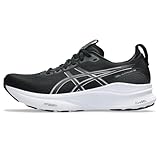
ASICS GEL-Kayano 32
Best first check when you want premium ASICS support with more cushioning and structure.
Evidence used for this update
Related support guide
Move from shoe type to actual support picks
After deciding that stability is the right lane, compare current stability running shoes for overpronation so the decision turns into current models instead of a generic category label.
How We Compared Neutral And Stability Shoes
- Compare guidance, heel hold, forefoot room, width availability, cushioning preference, and intended use before choosing a category.
- A stability label does not guarantee comfort, and a neutral label does not guarantee that a shoe will feel stable late in a run.
- The current stability option is one concrete comparison point, not a universal recommendation or a clinical conclusion.
- Verify the exact model, size, width, seller, availability, price, and return policy on the destination page.
How To Decide
Start with your current shoe history. If neutral shoes have worked for years and your only issue is that the pair is worn out, you probably do not need to switch categories. If several neutral shoes feel unstable in the same way, or if the inside edge collapses quickly, a stability shoe is worth testing. The goal is not to correct a label on your gait. The goal is to make your repeat mileage feel steadier and less fatiguing.
Use support as a spectrum. Mild support can feel almost neutral. Premium support can feel more structured and protective. Motion-control walking shoes are another category entirely. Most runners should start in the middle of the spectrum because a moderate stability shoe can reveal whether guidance helps without making the shoe feel intrusive.
Fit Checks Before You Buy
Try both categories with the same socks and similar sizing. Walk, jog, turn, and stand for a few minutes. A good stability shoe should feel guided, not jammed under the arch. A good neutral shoe should feel natural, not sloppy. Watch for heel slip, inside-edge collapse, forefoot squeeze, and whether your knees or ankles feel like they are fighting the shoe.
Common Mistakes
The biggest mistake is choosing based on a wet-foot test or arch height alone. Flat feet do not always need stability shoes, and high arches do not always need neutral shoes. Some runners with low arches move efficiently in neutral shoes. Some runners with higher arches still appreciate guidance because of fatigue, injury history, or hip and knee mechanics.
Another mistake is treating support as a cure for every ache. Shoes can help manage comfort and load, but they are not medical treatment. If pain is sharp, persistent, one-sided, or getting worse, it deserves professional guidance. For normal buying decisions, judge shoes by repeatable comfort, fit, and how your body feels after easy mileage.
How This Fits Your Training
For base mileage, stability can be useful if your form gets sloppier when you are tired. A shoe that feels nearly neutral early in the run but keeps you centered late can be a good match. For faster workouts, some runners use a lighter neutral or tempo shoe while keeping a stability trainer for easy miles.
If you are returning to running, walking more, or doing couch-to-5K style training, do not chase a race shoe first. Build consistency with a shoe that feels comfortable at slow paces. Once your routine is steady, add faster shoes only if your feet and legs tolerate them.
Best Buying Path
If you are unsure, compare ASICS GT-2000 14, Brooks Adrenaline GTS, New Balance 860v14, and Saucony Guide. If you know you want more cushion and structure, compare ASICS GEL-Kayano 32 or Brooks Glycerin GTS. If you need width, start with the wide flat-feet guide before buying.
Related Guides
Use the flat-feet running shoe hub if low arches are part of the decision. If your foot rolls inward, read best running shoes for overpronation. If you need width, use best running shoes for wide flat feet. For legacy support context, compare ASICS GT-2000 4, Brooks Adrenaline GTS 15, and Saucony Omni 13.
Related buying path
Choose a neutral trainer only after the support decision is settled
If a neutral daily trainer is the better fit after the support check, compare the Novablast 6 vs Novablast 5 buying decision for cushioning, model age, and current availability.
Related buying path
If neutral is the right path, compare the current ASICS cushion choice
Once the runner has ruled out a stability shoe and wants a current neutral ASICS trainer, use the Superblast 3 vs Novablast 6 comparison to compare premium cushion, daily-trainer bounce, price, and rotation role.
Evidence We Used
- The 2026-07-14 internal-link brief recommended this route into the Superblast 3 vs Novablast 6 click-winner page.
- The target page passed live audit with disclosure before affiliate links, tagged Amazon links, FAQPage schema, and ItemList schema.
- The source page passed live audit before this batch, so this update changes internal routing only.
FAQ
Are stability shoes only for overpronation?
No. Overpronation is one reason to try stability shoes, but some runners use them because they feel steadier late in runs, need width plus guidance, or prefer a more centered platform.
Can neutral runners wear stability shoes?
Some can, especially if the support is mild. The test is comfort. If the shoe feels intrusive or changes your stride in a bad way, choose neutral or a less supportive model.
Should beginners buy neutral or stability shoes?
Beginners should buy the shoe that feels stable, comfortable, and repeatable. If unsure, try one neutral daily trainer and one moderate stability trainer side by side rather than guessing from arch height.
Use these links to compare current options and avoid overpaying.Before you buy: quick price + alternatives check
Get weekly gear picks that actually matter
One email a week. Best shoes, watches, and deals. No fluff.
By subscribing, you agree to receive emails from StripeFit. Unsubscribe anytime.Current running shoe buying paths
Compare modern daily trainers, support shoes, lightweight options, and cushion shoes before chasing old stock.