By StripeFit Editorial TeamFirst published Updated
The best running water bottle for long runs should make drinking easy without making your hand, shoulder, waist, or stride feel awkward. A bottle is a small item, but the wrong one becomes annoying fast. It can slosh, leak, warm up too quickly, force your hand into a tense grip, or make your arm swing feel uneven.
Long-run bottle choice depends on how much fluid you need, where you run, and how much you dislike carrying things in your hand. Some runners love a handheld bottle because it is simple. Others prefer a belt bottle or soft flask because the hands stay free. A vest makes sense when one bottle is not enough or when storage needs expand.
Disclosure: This page contains affiliate links. If you buy through qualifying links, StripeFit may earn a commission at no extra cost to you.
Quick Answer
Start with a handheld bottle if you want the simplest long-run hydration option and your routes are not extremely long. Choose an insulated handheld if water temperature bothers you. Choose a belt bottle or waist pack if you dislike carrying anything in your hand. Move to a vest when you need multiple bottles, soft flasks, phone storage, gels, keys, and layers on the same run.
| Runner Need | Start With | Why It Works |
|---|---|---|
| Simplest long-run carry | Handheld running bottle | Easy to grab, easy to clean, and simple for moderate long runs. |
| Hands-free road carry | Hydration belt bottle | Good when a handheld changes your arm swing. |
| Phone plus bottle | Hydration waist pack | A compact bridge between handheld and vest. |
| Hot-weather route | Insulated handheld bottle | Helps slow warming on exposed summer runs. |
| More than one bottle needed | Hydration vest or two-bottle belt | Better when one handheld is not enough. |
Audited Product Starting Points
These exact Amazon products came from the current product feed and passed the StripeFit relevance audit for this hydration and race-day gear cluster. Confirm size, flavor, capacity, price, and return policy before buying.

Nathan SpeedDraw Plus Insulated Flask
A simple handheld starting point for runners who want water access without wearing a belt or vest.
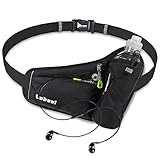
Labeol Hydration Waist Pack
A useful waist-pack candidate when phone storage and bottle carry matter more than full vest capacity.
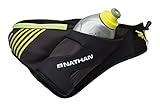
Nathan Peak Hydration Waist Pack
A strong check for runners who want a compact waist pack with an angled bottle and phone pocket.
How To Choose
Choose capacity before brand. A small handheld can be enough for moderate routes with refill access. A larger bottle can feel heavy and awkward late in the run. If you need more than a comfortable handheld can carry, do not keep increasing bottle size. Move to a belt, waist pack, or vest so the weight sits somewhere more stable.
Grip matters. A handheld bottle should let you relax your hand instead of clenching for miles. Strap shape, bottle contour, and valve design all affect whether the bottle feels natural. If you finish a run with a tired forearm or shoulder tension, the bottle may be changing your mechanics.
Fit, Carry, And Comfort Checks
Fill the bottle completely before testing. Jog with it in each hand. Switch hands. Try drinking without stopping. Check whether the valve leaks when tipped, whether the strap rubs, and whether the bottle shape interferes with a natural arm swing. For belt bottles, test removal and replacement while moving.
Common Mistakes
The first mistake is assuming all bottles feel the same. A bottle that works for walking may feel terrible while running because the arm swing is repetitive and the grip is under load. Running bottles need to be judged during motion.
The second mistake is underestimating storage. If you also need a phone, key, gel, and ID, a handheld bottle alone may create a second carry problem. In that case, a waist pack, belt, or vest can be simpler than carrying several separate items.
Training And Race-Day Use
Use the bottle on easy long runs before relying on it for race day. Practice sipping in small amounts, closing the valve, and switching hands if needed. If you use electrolyte tablets or powder, test taste and stomach comfort during training rather than saving it for a key workout.
Long-run hydration is personal, so this guide stays gear-focused. Weather, effort, route, body size, sweat rate, and medical needs can change fluid planning. For specific hydration or health concerns, ask a qualified professional. For gear buying, choose the carry system that lets you drink consistently without distracting from the run.
Best Buying Path
Start with the Nathan SpeedDraw Plus if you want an insulated handheld starting point. Compare waist packs such as Labeol or Nathan Peak if you want phone storage and bottle carry in one system. Move to the hydration belt guide if you are training for a half marathon and want hands-free bottle access.
Internal Next Steps
Read best hydration belts for half-marathon training if you want a hands-free bottle setup. Use hydration vest vs belt for running when one handheld is not enough. Pair this with best electrolytes for runners if you are comparing what to put in the bottle.
FAQ
Is a handheld bottle enough for long runs?
It can be enough for moderate long runs, especially with refill access. For hotter, longer, or unsupported routes, a belt or vest may be more practical.
Are insulated running bottles worth it?
They can be useful in warm weather because they slow warming. They may also be slightly bulkier, so comfort still matters.
Should I carry water or electrolyte drink?
That depends on the run, weather, and your body. Many runners use water for shorter runs and electrolyte mix for hotter or longer efforts, but test anything new in training.
Long-run hydration carry decision
Which Water Bottle Setup Fits Long Runs?
Best first move: choose the bottle setup that matches refill access and how much you hate carrying things.
The right bottle is not just about ounces. It is about how comfortably you can drink, carry, refill, and keep moving.
How To Choose A Bottle Setup
Handhelds are simple and easy to refill, but some runners dislike carrying weight in one hand. Belts spread weight better but can bounce if the fit is wrong.
Soft flasks work well with vests and some belts because they collapse as you drink. Hard bottles can be easier to clean and grab quickly.
What To Compare Before Buying
- Capacity: Match ounces to route length, weather, and refill points.
- Grip: Handheld straps should let you relax your hand.
- Cleaning: Bite valves and soft flasks need practical cleaning routines.
When To Use A Vest Or Belt Instead
Skip handheld bottles if you need fuel, phone, keys, layers, and more water. A belt or vest may be more comfortable for long routes.
Next Internal Hydration Checks
Best running waist packs, Best hydration vests for trail running, Electrolyte tablets vs powder. These links keep the buying path moving before readers leave for Amazon.
Before you buy: quick price + alternatives check
Use these links to compare current options and avoid overpaying.
StripeFit may earn a commission from some links. This never affects what we recommend.Get weekly gear picks that actually matter
One email a week. Best shoes, watches, and deals. No fluff.
By subscribing, you agree to receive emails from StripeFit. Unsubscribe anytime.Hydration and fuel buying paths
Match the setup to run length, weather, carry needs, and stomach tolerance before buying bottles, belts, vests, gels, or electrolytes.