By StripeFit Editorial TeamFirst published Updated
Current running sock paths to compare
Affiliate disclosure: StripeFit may earn a commission from qualifying purchases. This does not change the comparison or guarantee a particular result.
Quick answer: Start with a sock height and thickness that works with the shoes you already own. Compare a low-cut ankle option, a quarter-height option, or a simple running sock listing, then verify the live product page before buying.
Fresh product evidence
- Creator API validation on July 17, 2026: exact PAPLUS ankle compression running sock listing. Verify size, variant, seller, price, availability, and returns on the live page.
- Creator API validation on July 17, 2026: exact DANISH ENDURANCE quarter running sock listing. Its title includes anti-blister positioning, but this page does not independently verify that claim. Verify size, variant, seller, price, availability, and returns on the live page.
- Creator API validation on July 17, 2026: exact Jeasona running sock listing. Verify size, variant, seller, price, availability, and returns on the live page.
Current listings to compare
| Current listing | Compare by |
|---|---|
| PAPLUS ankle running socks | Check low-cut height, shoe volume, size range, exact variant, seller, price, and returns. |
| DANISH ENDURANCE quarter running socks | Check quarter height, shoe collar fit, size range, exact variant, seller, price, and returns. |
| Jeasona running socks | Check the listing title, size range, exact variant, seller, price, and returns before treating it as a fit match. |
Variables to check before you choose
| Variable | What to check |
|---|---|
| Height | Choose ankle, quarter, or another height based on the shoe collar, heel coverage, and whether the sock stays in place when you walk. |
| Cushioning | Match thickness to the shoe volume. A thicker sock can change toe room, while a thinner sock can change heel and forefoot fit. |
| Shoe fit | Try the sock with the actual running shoe. Check toe room, heel movement, bunching, and pressure before a longer run. |
| Climate and route | Consider heat, rain, sweat, route length, and how long the sock stays damp after a run. |
| Return policy | Confirm the current seller, size or color variant, availability, price, and return terms on the live listing. |
Product titles are not firsthand testing. This page does not promise comfort, blister prevention, material performance, medical benefit, or a universal best choice. Persistent foot pain, numbness, or worsening skin problems should be discussed with a qualified clinician.
For the full starter setup, read best running shoes for beginners and the beginner running gear checklist.
Running socks look like a small purchase until they become the reason a beginner stops enjoying runs. Cotton socks can hold moisture, bunch under the foot, rub the heel, or create hot spots during the first month of training. A good running sock is not about looking technical. It is about keeping the foot dry, reducing friction, and making the shoe fit more consistently.
Beginners do not need a drawer full of expensive socks on day one. They need a few pairs that match their shoe fit, local weather, and training routine. The right pair should disappear during a walk-run session. If you notice seams, bunching, slipping, or heat, the sock is part of the fit problem.
Disclosure: This page contains affiliate links. If you buy through qualifying links, StripeFit may earn a commission at no extra cost to you.
Quick Answer
Start with a cushioned synthetic running sock with a secure heel tab or quarter height. Avoid cotton for regular runs. If your shoes are snug, choose a thinner running sock. If your shoes have a little extra room, light cushioning can make the fit more comfortable. For most beginners, a multipack is the practical first buy because consistency matters more than owning one premium pair.
| Beginner Need | Start With | Why It Matters |
|---|---|---|
| Simple first multipack | PAPLUS ankle running socks | A practical low-cut multipack with cushioning and heel-tab coverage. |
| Quarter sock feel | DANISH ENDURANCE quarter running socks | Useful if ankle socks slip or expose the heel collar. |
| Budget accessory option | Jeasona running socks | A simple starter or gift-style running sock option. |
| Blister-prone feet | DANISH ENDURANCE quarter running socks | Focus on moisture control, seam placement, and fit. |
| Snug shoes | Thin running socks | A thinner sock can preserve toe room in tighter shoes. |
| Loose shoes | Light cushioned running socks | Light cushion can improve comfort when the shoe has room. |
Audited Product Starting Points
These exact Amazon products came from the current product feed and passed the StripeFit relevance audit for this beginner accessory cluster. Always confirm size, color, price, and return policy before buying.

PAPLUS Cushioned Ankle Compression Socks
Useful first check for beginners who want a multipack with cushioning and a heel tab.
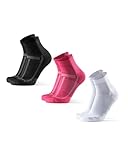
DANISH ENDURANCE Quarter Running Socks
A good check when the buyer wants a sport sock with anti-blister positioning and a quarter height.

Jeasona Running Socks
A low-friction accessory option for buyers comparing simple runner gift or starter sock picks.
How To Choose
Choose socks after you know how your shoes fit. If your running shoes are already tight, a thick sock can create toe pressure and numbness. If your shoes feel slightly roomy, a thin sock may make the heel slip worse. Sock thickness changes the whole fit system, so treat socks as part of your shoe setup, not an afterthought.
Fabric matters more than branding. Look for synthetic or wool blends that manage moisture better than cotton. Beginners often run slowly, walk between intervals, and stay in sweaty socks longer than they expect. Moisture plus friction is the usual blister recipe.
Fit And Comfort Checks
Put on the sock, then put on the shoe you actually run in. Walk, jog in place, and flex your toes. The sock should not twist, bunch, slide under the heel, or pull tight across the toes. After the run, check for red marks or hot spots. Those are early warnings before a blister becomes a training interruption.
Common Mistakes
The first mistake is buying socks only by shoe size. Foot volume, shoe width, and toe shape all matter. A sock can technically fit your size and still bunch inside a narrow shoe or pull too tight across a wider forefoot.
The second mistake is buying one pair and judging all running socks from that experience. Try one low-cut or heel-tab pair and one quarter-height pair if heel rubbing is a problem. If you run in hot weather, test lighter fabric. If you run in cold weather, test a slightly warmer synthetic or wool blend.
How This Fits Your First Month
During the first month, the goal is removing friction from the habit. You are already adapting to new shoes, new routes, and new mileage. Socks should make that easier. If the same spot gets irritated more than once, change sock height, thickness, or fabric before blaming the shoe entirely.
Once you find a pair that works, buy enough to avoid running in worn or stretched socks. Beginner consistency often depends on small logistics. Clean socks, charged watch, visible gear, and a ready pair of shoes make it easier to get out the door.
Best Buying Path
Start with a cushioned ankle or quarter running sock multipack. Compare PAPLUS if you want a cushioned heel-tab option, DANISH ENDURANCE if you want a quarter sport sock, and Jeasona if you want a simple runner accessory option.
Internal Next Steps
Use best running shoes for beginners as the main starter hub. If you are still building your kit, read beginner running gear checklist. If foot support is the issue, compare neutral vs stability running shoes and best running shoes for flat feet.
FAQ
Do beginners really need running socks?
They do not need expensive socks, but they should avoid regular cotton socks for consistent running. Running socks reduce moisture, bunching, and friction.
Are thick or thin running socks better?
It depends on shoe fit. Choose thinner socks if shoes are snug and light cushioning if shoes have room. The best sock is the one that improves comfort without changing the shoe fit in a bad way.
How many running socks should a beginner own?
Three to six pairs is enough for most beginners. Buy more only after you know which height and thickness works with your shoes.
Beginner comfort gear decision
Which Running Socks Should Beginners Buy First?
Best first move: buy socks that work with your shoe fit before chasing premium compression or aggressive cushion.
Good socks reduce friction, moisture, and hot spots, but they cannot fix a shoe that is the wrong size or shape.
How To Choose Beginner Running Socks
Start with fit inside your current shoes. A thicker sock can make a snug shoe too tight, while a thin sock can create extra movement inside a roomy shoe.
For most beginners, a moisture-managing running sock with modest cushion is the safest first purchase. Save specialty socks for trail debris, cold weather, compression, or repeated blister zones.
Buy a small test quantity before replacing your whole drawer. The sock that feels good on a short run may not feel the same after heat, sweat, and longer mileage.
What To Compare Before Buying
- Fabric: Avoid cotton-heavy socks for sweaty runs because moisture and friction build quickly.
- Cushion: Match cushion to shoe volume and distance.
- Seams: Toe seams and bunching can create hot spots.
- Height: No-show socks can slip; quarter socks often work better for beginners.
When Socks Are Not The Fix
If blisters come from heel slip, toe crowding, or a shoe that bends wrong for your foot, changing socks may help only slightly. Fix shoe fit first.
Next Internal Comfort Checks
Best trail running socks to prevent blisters, Best anti-chafe products for runners, Best running shoes for beginners. These keep the support, fit, and fueling path moving before the reader leaves for a product page.
Before you buy: quick price + alternatives check
Use these links to compare current options and avoid overpaying.
StripeFit may earn a commission from some links. This never affects what we recommend.Get weekly gear picks that actually matter
One email a week. Best shoes, watches, and deals. No fluff.
By subscribing, you agree to receive emails from StripeFit. Unsubscribe anytime.Where to go next
Use these current buying guides to compare fresher options, avoid dead stock, and keep the next click focused.