By StripeFit Editorial TeamFirst published Updated
The best hydration vest for trail running should carry water, phone, keys, fuel, and small safety items without bouncing or trapping so much heat that you avoid wearing it. Trail routes make hydration less predictable than road routes. Water fountains are rare, distances feel longer, and a wrong turn can add time. A vest solves that by spreading the load across the torso.
A trail vest is not automatically necessary for every dirt path. For short park loops, a handheld bottle or waist pack may be enough. A vest becomes useful when you need more fluid, a phone, snacks, a light layer, headlamp, ID, keys, or room for changing weather. The buying decision is about route risk and comfort, not appearance.
Disclosure: This page contains affiliate links. If you buy through qualifying links, StripeFit may earn a commission at no extra cost to you.
Buyer evidence
Evidence We Used
- Current product listings were checked for exact model identity, included flask or bladder format, capacity, seller, and return terms.
- The comparison keeps capacity, storage access, fit and bounce checks, heat, and route length as separate buyer variables.
- Availability, selected size, color, seller, and price can change; verify the exact listing before ordering.
- Use the linked vest-versus-belt guide when carry format is still the first unresolved decision.
Current Product Checks
- Osprey Duro LT running hydration vest: compare soft-flask access, pocket layout, exact size, seller, and returns. Check the current listing.
- CamelBak Dart run hydration vest: compare reservoir capacity, hose access, fit, seller, and returns. Check the current listing.
Related: compare a hydration vest versus a belt and headlamps for early trail runs when carry format or visibility changes the decision.
FAQ
How much water should a trail vest carry?
Start with route length, weather, refill access, and required safety gear. Capacity should follow the route rather than a universal distance rule.
How do you reduce vest bounce?
Use the correct size, adjust the front straps gradually, balance the load, and verify that bottles and a reservoir stay secure while moving.
When is a belt better than a vest?
A belt can be simpler when the route needs one bottle and a few small items. A vest is more useful when capacity and distributed storage matter.
n
n
Quick Answer
Choose a lightweight bottle vest for shorter trail runs and simple storage. Choose a bladder-style vest or pack when you need more fluid capacity and longer-route storage. Choose reflective details and easy-access pockets if you run early, late, or near road crossings. Test the vest fully loaded before using it on a long trail run.
| Trail Need | Start With | Why It Fits |
|---|---|---|
| Lightweight bottle carry | SWIFTVEST running vest | Good starting point for phone storage, front access, and reflective details. |
| More fluid capacity | Zelvot 2L hydration vest | Bladder-style carry for runners who need more water. |
| Trail backpack style | INOXTO hydration vest backpack | A pack-style option with bladder capacity for longer routes. |
| Short trail loops | Handheld bottle or waist pack | Simpler when you do not need full vest capacity. |
| Early morning trails | Vest plus headlamp | Storage and visibility matter when light is limited. |
Audited Product Starting Points
Use these product cards as comparison starting points. Confirm the exact item, size or capacity, fit, color, seller, current price, availability, and return policy on the destination listing before buying.
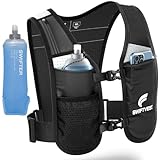
SWIFTVEST Running Vest
A lightweight trail-vest candidate with front storage, bottle access, reflective details, and phone carry.

Zelvot 2L Hydration Vest
A bladder-style option for trail runners who want more fluid capacity and pack-style storage.
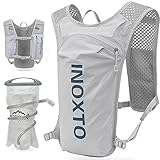
INOXTO Hydration Vest Backpack
A trail hydration pack candidate for runners comparing bladder capacity and light backpack storage.
How To Choose
Choose bottle vs bladder first. Bottles are easier to refill and easier to monitor because you can see how much is left. Bladders can carry more and keep the front of the vest cleaner, but they are harder to refill and require more cleaning. Neither is universally better. Choose the system you will maintain.
Storage matters more on trails than on roads. A vest should carry the items you actually need without swallowing them in deep pockets. Phone access, key security, gel pockets, and a spot for a light layer can matter more than maximum liters.
Fit And Trail Checks
Load the vest before testing. Add fluid, phone, keys, and fuel. Tighten the chest straps until bounce drops but breathing remains easy. Check neck rub, underarm rub, bottle access, phone pocket access, and whether the vest shifts on descents.
Common Mistakes
The first mistake is buying too much capacity. A large pack can feel hot and bulky when the route only needs one bottle. Start with the smallest vest that covers the route safely.
The second mistake is waiting until race day or a long trail day to test it. Vests create new friction points. Use anti-chafe product under straps if needed and practice with the load you plan to carry.
How This Fits Training
For trail training, use the vest on moderate routes first. Practice drinking, grabbing food, stowing trash, and checking the phone without stopping every time. A vest should make trail running smoother, not turn every mile into gear management.
For longer unsupported routes, pack enough fluid and safety basics for the conditions. This is general gear guidance. Local weather, terrain, and health needs can change what is appropriate, so use judgment and qualified advice when needed.
Before You Buy
Use the product cards as starting points, then confirm the details that matter for your route. Trail gear depends heavily on surface, weather, body fit, and how much you carry. Check the current listing, read recent buyer notes, compare sizes, and make sure the return policy gives you room to test the item indoors before committing it to a long trail run.
Best Buying Path
Start with SWIFTVEST if you want lightweight front storage. Compare Zelvot or INOXTO if you want bladder capacity. If a vest feels excessive, use the hydration belt or waist-pack guides instead.
Related Guides
Compare hydration vest vs belt for running if you are unsure about carry style. For trail shoes, read best trail running shoes for beginners. For dark routes, read best headlamps for early morning trail runs.
FAQ
Do trail runners need hydration vests?
Not always. Short easy trails may only need a handheld bottle. Vests help when routes are longer, hotter, unsupported, or require extra storage.
Is a bottle vest or bladder vest better?
Bottles are easier to refill and monitor. Bladders can carry more. Choose based on route length, cleaning preference, and how you like accessing water.
How should a trail running vest fit?
It should sit close without restricting breathing. It should not bounce, rub the neck, or shift when loaded.
Trail Fuel Paths
Trail vests make sense when distance, water access, weather, and fuel storage all matter. These race-fuel pages help decide what goes in the vest.
| Next decision | Best StripeFit guide | Why it matters |
|---|---|---|
| Gel, chew, or waffle format | Running gels vs chews | Useful for trail runners who need variety and easier pocket access. |
| Energy gel shortlist | Best energy gels for runners | Compare products before loading a vest with untested packets. |
| Longer race fuel count | How many gels for a marathon | A marathon-style count can help estimate fuel volume even when the route is trail. |
Trail hydration carry decision
Which Trail Hydration Vest Is Enough?
Best first move: choose capacity by route length and required storage, not by the largest vest you can find.
A trail vest should carry water, fuel, phone, layers, and safety basics without bouncing or making the run hotter than necessary.
How To Choose Vest Capacity
For short trail loops, a smaller vest or belt may be enough. For remote routes, longer climbs, heat, or variable weather, storage and water capacity matter more.
Fit is the real test. The vest should stay stable when bottles are full and when they are half empty. If it only feels good standing still, keep comparing.
What To Compare Before Buying
- Bounce: A vest should stay stable while descending and turning.
- Pocket layout: Fuel and phone should be reachable without stopping.
- Heat: More coverage can be uncomfortable in humid training blocks.
When To Skip A Vest
Skip a vest if your route has easy water access and you only need a phone and one bottle. A belt or handheld can be simpler.
Related Hydration Guides
Hydration vest vs belt for half marathon training, Best running waist packs, Best running water bottles for long runs. These links keep the buying path moving before readers leave for Amazon.
Before you buy: quick price + alternatives check
Use these links to compare current options and avoid overpaying.
StripeFit may earn a commission from some links. This never affects what we recommend.Get weekly gear picks that actually matter
One email a week. Best shoes, watches, and deals. No fluff.
By subscribing, you agree to receive emails from StripeFit. Unsubscribe anytime.Trail gear decisions to compare next
Use these current guides for trail runs, darker starts, and gear that needs to fit securely in motion.