By StripeFit Editorial TeamFirst published Updated
Hydration vest vs belt for half marathon training is a carry decision, not a toughness decision. A belt is usually simpler for road routes, moderate long runs, and phone-plus-bottle storage. A vest becomes more useful when heat, distance, storage, or uncertain water access makes a belt feel overloaded.
Half-marathon training sits in the middle. You may run long enough to need fluid, gels, phone storage, and keys, but not always long enough to justify a full trail vest. The best carry system is the one that lets you train consistently without bounce, rubbing, or overpacking.
Disclosure: This guide contains affiliate links. If you buy through qualifying links, StripeFit may earn a commission at no extra cost to you.
Quick Answer
Start with a hydration belt for most road half-marathon plans. Choose a vest when you train in heat, need more storage, dislike waist pressure, or run routes without reliable water. If both could work, use the belt for shorter long runs and the vest for hotter or longer sessions.
| Runner Need | Start With | Why It Fits |
|---|---|---|
| Road half marathon plan | Hydration belt | Simple, cooler, and usually enough for many road runners. |
| More storage or heat | Light hydration vest | Better when belt storage is overloaded. |
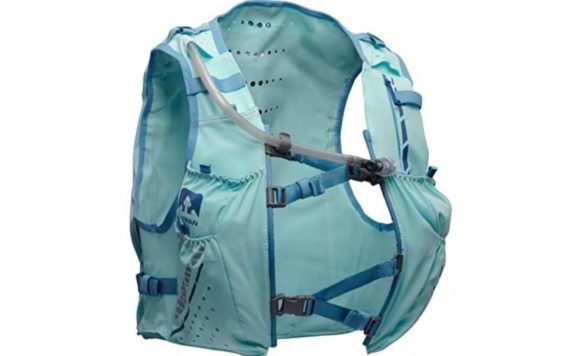
| Unsupported long route | 2L hydration vest | Useful when water access is uncertain. |
| Race with aid stations | Belt for gels and phone | Often enough if you rely on course water. |
Current Price And Product Checks
Use these searches to confirm current inventory, size, color, seller, label, and return policy before buying. StripeFit may earn from qualifying purchases.
Amazon listings change often. Search links are used when a product category has multiple valid current options.
Product Starting Points
These product cards show one belt lane and two vest lanes. Confirm capacity, fit, pocket size, bottle or bladder details, and return policy.

AiRunTech Hydration Belt
Simple belt option for runners who want bottle and phone carry without wearing a vest.
SWIFTVEST Running Vest
Light vest lane for runners who want phone storage, bottle access, and reflective details.

Zelvot 2L Hydration Vest
Bladder-style option for runners who need more fluid capacity and pack-style storage.
How To Choose
Choose by route first. If your long run passes water fountains or stores, a belt may be enough. If you run remote roads, hot loops, or trail segments, a vest can make the route easier and safer to plan.
Choose by body comfort next. Belts keep shoulders free but can bounce or squeeze. Vests spread weight but add fabric and heat. There is no universal winner.
What To Check Before Buying
Load the belt or vest before judging fit. Add water, phone, keys, gels, and any layer you expect to carry. Empty gear hides bounce problems.
Check race rules if you plan to wear a vest on race day. Some events restrict packs, bottles, or bladder systems.
Common Mistakes
Do not buy a vest just because it looks more serious. For many road half-marathon runners, it adds more gear than the route requires.
Do not overload a belt and then blame the belt category. If you need multiple bottles and storage, move to a vest.
Training Use Case
Use belts for medium long runs and predictable routes. Practice grabbing the bottle, replacing it, and using gels without stopping.
Use vests for hot long runs, longer routes, or route experiments. Practice drinking from the bottle or bladder while running so race day does not feel new.
Best Buying Path
Buy a hydration belt first if your routes are predictable. Compare SWIFTVEST if you want light vest storage. Compare a 2L vest when capacity matters more than minimal feel.
Internal Next Steps
Read hydration vest vs belt for running, best hydration belts for half marathon training, and best electrolytes for hot weather.
FAQ
Do you need a hydration vest for half-marathon training?
Not usually. Many runners can use a belt or aid stations. A vest helps when heat, storage, or water access makes a belt insufficient.
Is a belt better than a vest for road running?
Often, because it is cooler and simpler. A vest is better when you need more capacity or storage.
Can you race a half marathon with a vest?
Sometimes, but check race rules. Many runners use a belt or aid stations instead.
Half marathon hydration gear decision
Vest Or Belt: What Should Half Marathon Runners Buy First?
Best first move: choose a belt for simple road training and a vest when storage or water access is the bigger problem.
The best hydration setup is the one you will actually wear on long runs, not the one with the most storage on paper.
How To Choose By Long-Run Setup
A belt is usually the cleaner first purchase for road half marathon training. It carries enough for many moderate long runs, keeps the torso open, and feels less like trail gear.
A vest becomes more useful when your route has limited water, the weather is hot, or you need phone, keys, gels, extra layers, or a backup plan. Storage is the reason to tolerate more coverage on the body.
Race-day rules matter too. If your race has frequent aid stations, you may only need a small belt or handheld. If you plan to practice independent fueling, a vest can make training more repeatable.
What To Compare On Each Product
- Bounce: A hydration product that bounces will annoy you more as fatigue rises.
- Bottle access: You should be able to drink without stopping or fighting the gear.
- Pocket layout: Gels, phone, and keys should have secure places that do not rub.
- Heat buildup: Vests add coverage, which can matter in warm training blocks.
When To Skip The Bigger Setup
Do not buy a vest just because it feels more serious. For many half marathon runners, a compact belt plus planned water stops is easier and cheaper.
Do not wait until race month to test carry gear. Chafing, bounce, and bottle access should be solved during ordinary long runs.
Continue The Half Marathon Gear Path
Best hydration belts for half marathon training, Best running water bottles for long runs, Running gels for half marathon training. Use those pages when the first choice here opens a bigger buying question.
Use these links to compare current options and avoid overpaying.Before you buy: quick price + alternatives check
Get weekly gear picks that actually matter
One email a week. Best shoes, watches, and deals. No fluff.
By subscribing, you agree to receive emails from StripeFit. Unsubscribe anytime.Hydration and fuel buying paths
Match the setup to run length, weather, carry needs, and stomach tolerance before buying bottles, belts, vests, gels, or electrolytes.