By StripeFit Editorial TeamFirst published Updated
The best running waist pack is not just a small bag. It is the difference between carrying a phone awkwardly in your hand and running with your arms free. A good waist pack keeps essentials stable, protects the phone from sweat and weather, and avoids the bounce that makes runners abandon carry gear after one try.
Waist packs overlap with hydration belts, running belts, and small fanny packs, but the buying decision is simple. Decide what you must carry, decide whether you need water, and decide how much bounce you can tolerate. If the pack carries too much, it becomes unstable. If it carries too little, you end up holding the overflow anyway.
Disclosure: This page contains affiliate links. If you buy through qualifying links, StripeFit may earn a commission at no extra cost to you.
Quick Answer
Choose a slim running belt if you only need phone, key, ID, and maybe one gel. Choose a hydration waist pack if you also need a bottle. Choose a vest if you need multiple bottles, soft flasks, a layer, safety gear, and more food. For most road runners, a compact waist pack with secure phone storage is the best middle choice.
| Runner Need | Start With | Why It Works |
|---|---|---|
| Phone and key only | Slim running belt | Lowest-bulk option for short runs and race-day storage. |
| Phone plus water | Hydration waist pack | Best when you want hands-free storage plus a bottle. |
| Compact bottle carry | Nathan Peak hydration waist pack | A compact angled-bottle setup for road runs. |
| More water and gear | Hydration vest | Better when a waist pack starts bouncing under load. |
| Half-marathon training | Hydration belt | A belt can be simpler if the main need is fluid and gels. |
Audited Product Starting Points
These exact Amazon products came from the current product feed and passed the StripeFit relevance audit for this hydration and race-day gear cluster. Confirm size, flavor, capacity, price, and return policy before buying.
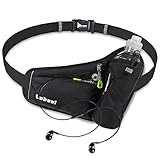
Labeol Hydration Waist Pack
A useful waist-pack candidate when phone storage and bottle carry matter more than full vest capacity.
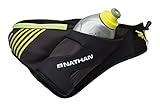
Nathan Peak Hydration Waist Pack
A strong check for runners who want a compact waist pack with an angled bottle and phone pocket.

AiRunTech Hydration Running Belt
A practical first check for runners who want belt storage, a bottle, and phone carry without moving to a vest.
How To Choose
Start by laying out what you actually carry. Phone, key, ID, gel, small bottle, inhaler, and earbuds all take space. A pack that looks compact online can feel cramped once a modern phone is inside. Check phone dimensions, pocket stretch, zipper direction, and whether the bottle holder blocks access to other pockets.
Choose the smallest pack that solves the carry problem. Extra space is not always helpful because unused space can let items shift and bounce. If you only need a phone and key, a slim belt may be better than a hydration pack. If you need a bottle, choose a pack designed around bottle stability rather than stuffing a bottle into a generic pouch.
Fit, Carry, And Comfort Checks
Load the waist pack fully, then jog before judging it. The pack should not slap against the body, rotate around the waist, or force you to tighten the strap until breathing feels restricted. If the bottle sits at an angle, practice removing and replacing it while moving. The pack should work when sweaty, not only when standing still.
Common Mistakes
The first mistake is buying a fashion fanny pack for running. Some work for walking but bounce badly at running cadence. Running waist packs need secure stretch, stable straps, and pocket placement that holds items close.
The second mistake is using a waist pack for too much gear. If you are carrying layers, multiple bottles, lots of fuel, and safety gear, a vest will usually feel better. A waist pack is strongest when the load is compact and predictable.
Training And Race-Day Use
Use a waist pack on easy runs first. Figure out where the phone sits, whether a key rattles, and whether the zipper is easy to reach. If you use gels, practice opening the pocket during the run. Small carry frustrations become larger after fatigue sets in.
For racing, waist packs often work well when the course has aid stations and you only need phone, ID, keys, and fuel. For unsupported training, add bottle capacity or move to a vest. Race-day carry should be tested over the same kind of distance and weather you expect on event day.
Best Buying Path
Start with a slim running belt if the phone is the main problem. Compare Labeol or Nathan Peak if you want bottle carry in a waist-pack format. Compare AiRunTech or Fitletic hydration belts if water access matters more than storage.
Internal Next Steps
Use best hydration belts for half-marathon training if fluid is the main need. Read hydration vest vs belt for running if your waist pack feels overloaded. For a simple bottle option, see best running water bottles for long runs.
FAQ
Do running waist packs bounce?
Good running waist packs should minimize bounce, but fit and load matter. Test the pack loaded with your phone, key, bottle, and gels before using it on a long run.
Can a waist pack replace a hydration vest?
Only for lighter carry. A waist pack is great for phone, key, fuel, and maybe one bottle. A vest is better for multiple bottles, layers, trail gear, or longer unsupported routes.
Where should a running waist pack sit?
It should sit where it feels stable without restricting breathing. Some runners prefer the hips, others the natural waist. The best position is the one that does not bounce or ride up.
Running carry gear decision
Which Running Waist Pack Should You Buy?
Best first move: choose by what must stay secure: phone, keys, gels, or water.
A waist pack is useful only if it solves carry without bouncing, twisting, or rubbing during the run.
How To Choose A Waist Pack
For short runs, a slim phone-and-key belt may be enough. For long runs, choose a pack that can carry gels or small bottles without creating bounce.
Phone size matters. Large phones, cases, and zippers do not always cooperate, so check pocket dimensions before buying.
What To Compare Before Buying
- Bounce: A pack that bounces will feel worse as the run gets longer.
- Pocket layout: Keys should not scratch the phone or bounce against gels.
- Adjustability: Fit should work over summer and winter clothing.
When To Choose Another Carry Setup
Skip a waist pack if you need more water, layers, or trail safety gear. A vest may be the better tool.
Next Internal Carry Checks
Hydration vest vs belt for half marathon training, Best running water bottles for long runs, Best hydration vests for trail running. These links keep the buying path moving before readers leave for Amazon.
Before you buy: quick price + alternatives check
Use these links to compare current options and avoid overpaying.
StripeFit may earn a commission from some links. This never affects what we recommend.Get weekly gear picks that actually matter
One email a week. Best shoes, watches, and deals. No fluff.
By subscribing, you agree to receive emails from StripeFit. Unsubscribe anytime.Where to go next
Use these current buying guides to compare fresher options, avoid dead stock, and keep the next click focused.